
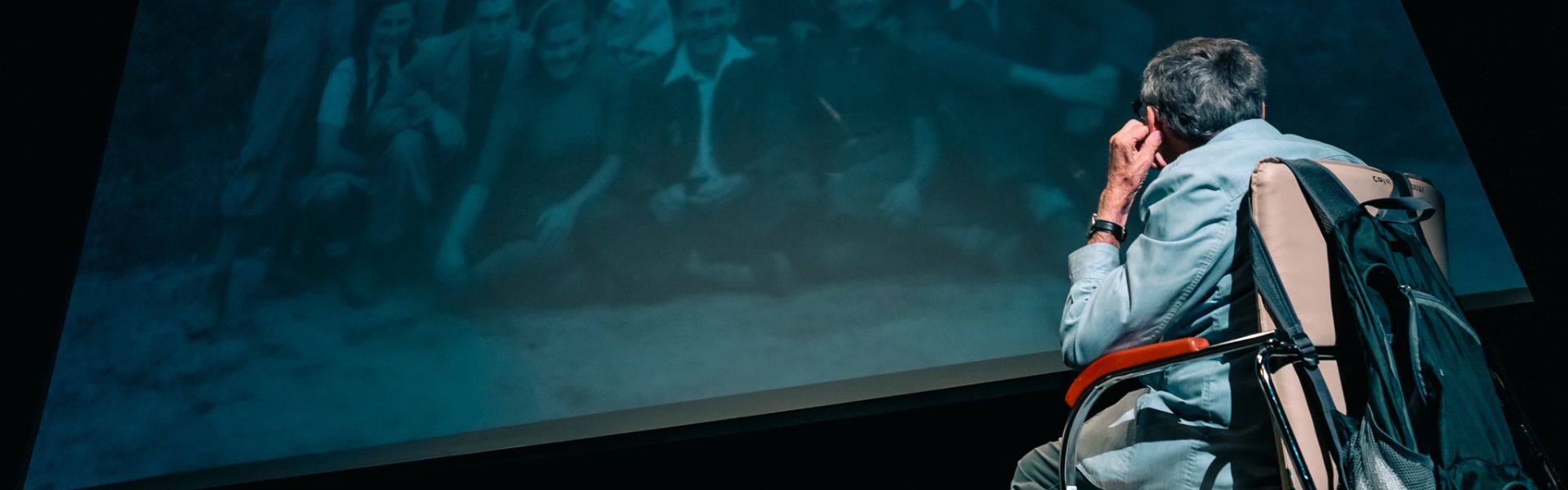
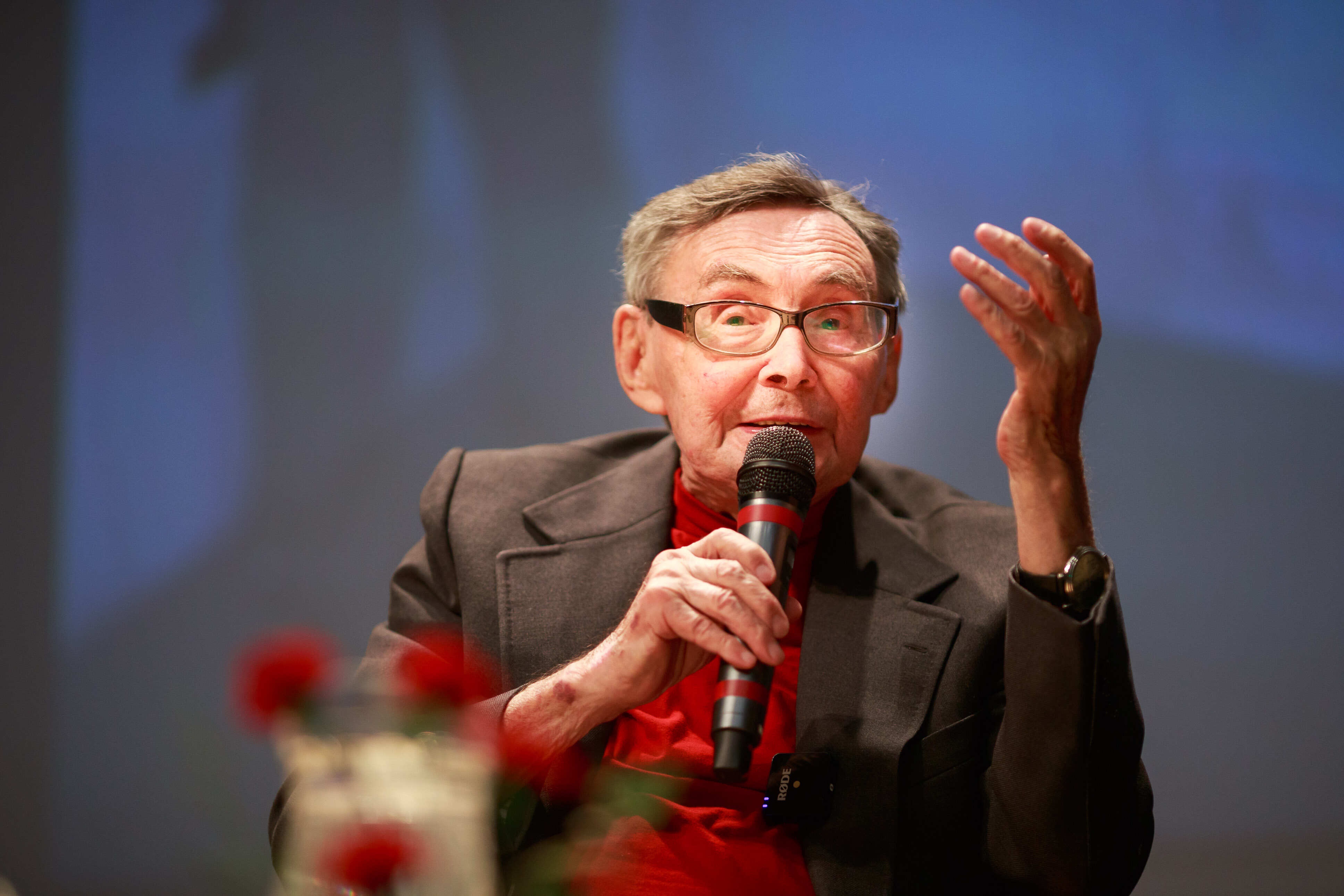
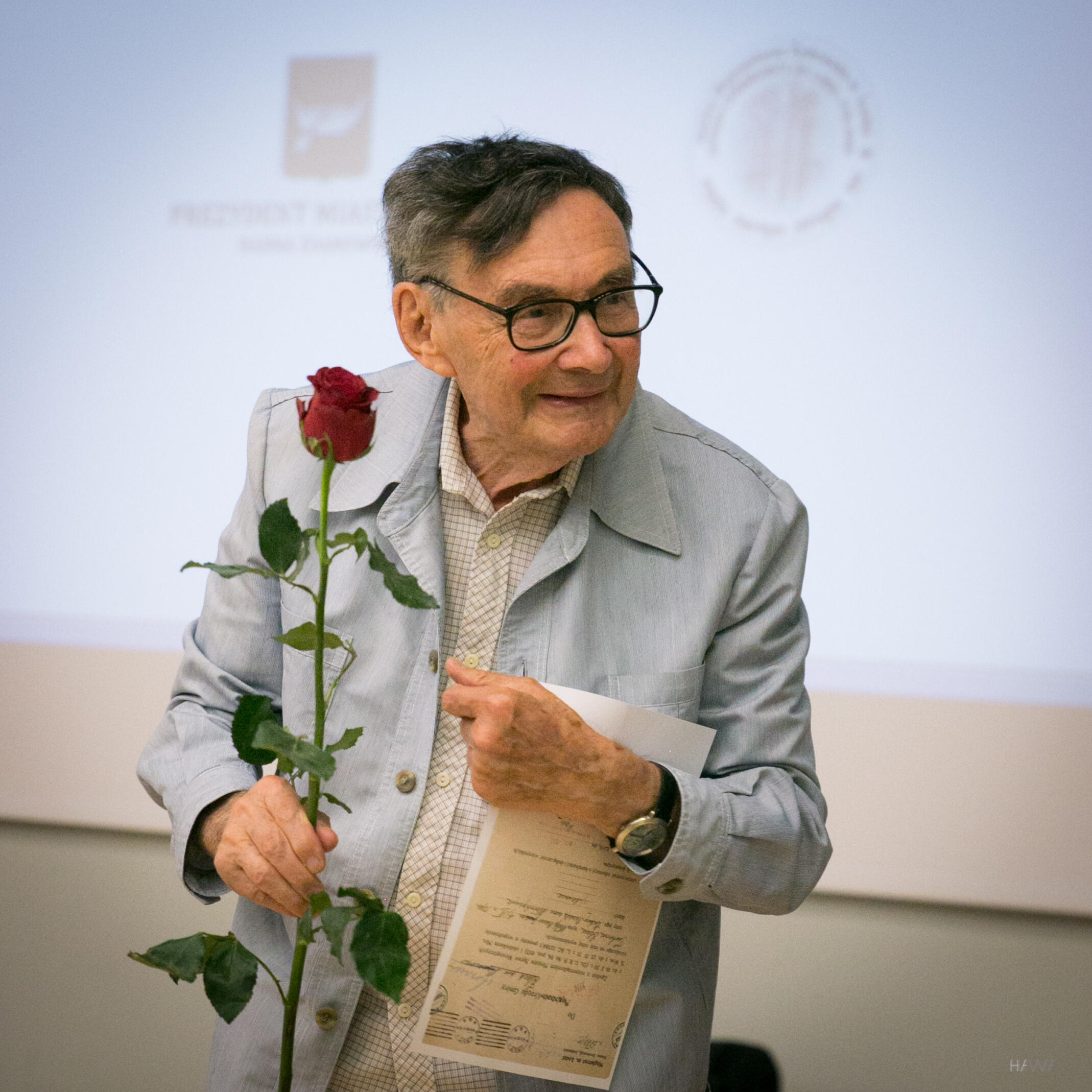
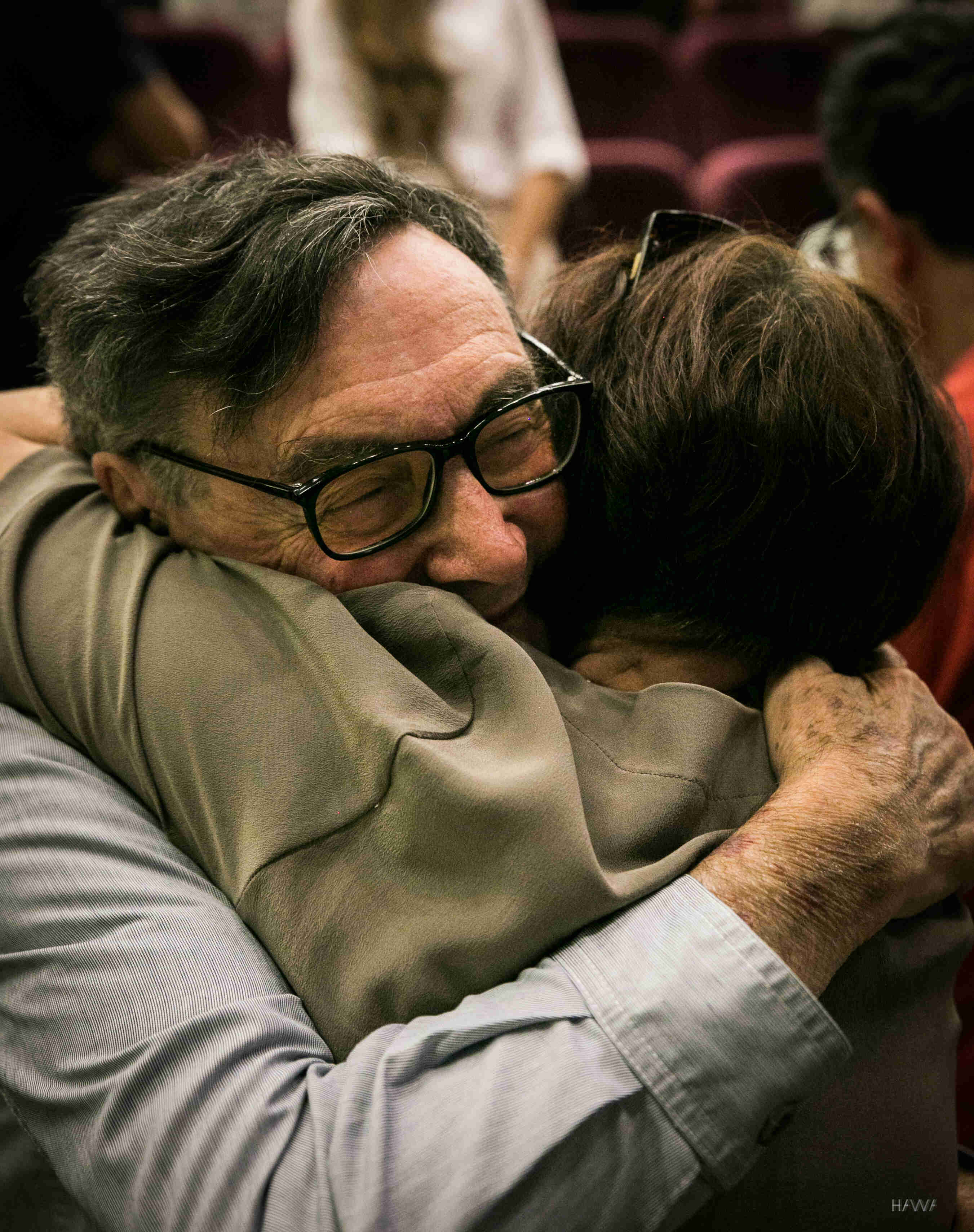
In 2026, Marian Turski would have celebrated his 100th birthday—a remarkable milestone for a man who became one of the most important witnesses to 20th-century history. An Auschwitz survivor, journalist, historian, and social activist, for decades he reminded the world of the tragic consequences of hatred, discrimination, and indifference. His educational work and numerous public appearances contributed to raising awareness about the Holocaust and the importance of human rights. In the Survivors’ Park, established on the initiative of survivor Halina Elczewska, right next to oak tree number 0 dedicated to her, two new trees have been planted there on the initiative of the Community Tree Guardians. These are an “Monumentum” oak, number 550, commemorating Marian Turski, and a small-leaved linden, number 549, dedicated to the memory of Helena Trau, Marian Turski’s mother, who, like her son, survived the camps and the war.
This location was not chosen by chance. As Ala Elczewska, Halina’s daughter, explains, the Turski family was a mishpocha to her family—a Yiddish word meaning friends so close that they are treated like blood relatives. Their trees will now grow side by side, reflecting a personal relationship that began over eighty years ago.
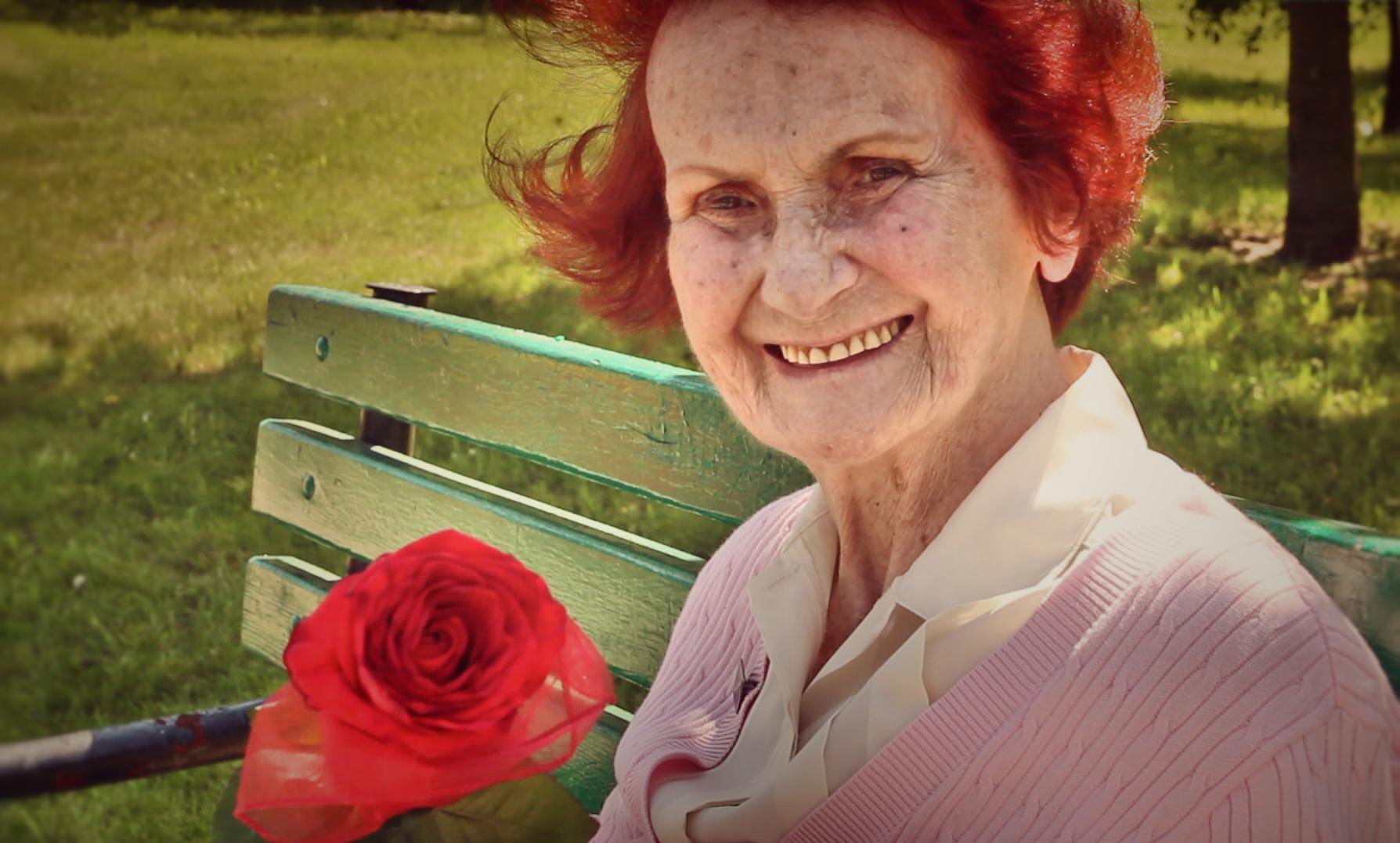
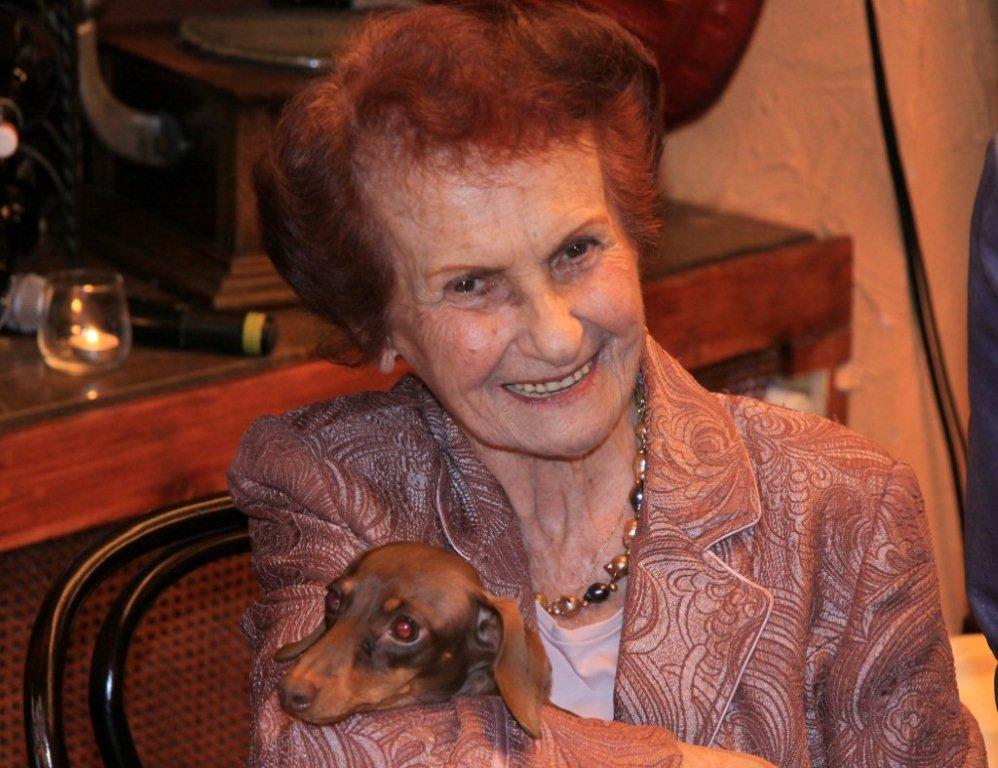
Their story began in the fall of 1945 in Friedland (now Mieroszów, near Wałbrzych). Marian Turski remembered Halina from that time as an attractive, cheerful, and very sociable girl who, despite the difficult postwar realities, demonstrated great organizational skills and social sensitivity and became the town’s deputy mayor. In his memoirs from the book “The Girls from Gross-Rosen” by Agnieszka Dobkiewicz, Turski wrote about her bluntly: “Halinka was too big for a small town and had equally big ambitions.”
The natural link between them was Dr. Arnold Mostowicz—the husband of Halina’s sister, Jadzia. Turski and Mostowicz knew each other from the Łódź ghetto, where they were active in the underground Union Left. Although Turski soon left Mieroszów for Wałbrzych, where he organized the structures of the Union of Fighting Youth, and from there went to study in Wrocław, his contact with the Mostowicz family and Halina never broke off for the rest of their lives.
Over time, their relationship shifted to Warsaw. Halina’s apartment on Aleja Przyjaciół was an open house and a gathering place for cultural figures and young people. Turski remembered her as an energetic life of the party, whose great passion was matchmaking for single friends. He himself noted, incidentally, that she had tried to set him up as well—though completely to no avail. He also remembered her as one of the most radical feminists he knew, deeply outraged by the patriarchal attitude toward women prevailing in Poland.
We are delighted that this decades-long friendship will now be reflected in the Survivors’ Park. We hope that this part of the park will become one of the most visited spots, and that the trees will grow side by side, just as Marian Turski and Halina Elczewska lived side by side after the war.
https://www.centrumdialogu.com/en/a-memorial-tree-for-survivor-marian-turski-for-his-100-birthday#sigProIdd67fc6d45e