Jews first settled in Łódź in the 18th century, during the decline of the Polish-Lithuanian Commonwealth. The city did not have a Privilegium de non tolerandis Judaeis (a decree prohibiting Jews from settling in a given area). Until the Second Partition of Poland, Łódź was owned by the bishop, and it was only between 1796 and 1798 that it became a government city. This was when the metropolis experienced rapid economic growth. Between 1793 and 1808, the number of inhabitants almost doubled, and the number of Jews increased more than fivefold – from 11 to 58 people. At the beginning of the 19th century, Łódź Jews occupied houses in and around the Old Market Square. In 1806, there was already an independent Jewish community, and from 1809 it had its own synagogue. In 1811, a cemetery was established in the quarter bounded by Bazarowa, Rybna, Krótka and Wesoła Streets. The second Jewish cemetery in Łódź, located on Bracka Street, was created in the second half of the 19th century.
The Jewish community consisted mainly of craftsmen and labourers (62%) and vendors (35%). Nearly half of Łódź's Jews came to the city from nearby villages: Chojny, Stoki and Bełdów, while about 25% came from nearby towns. Only 27% of the Jews in Łódź owned real estate, which was due to legal restrictions that were lifted in 1862. From the 1860s until the outbreak of World War I, Jews became the fastest growing national minority in Łódź. Between 1873 and 1912, their number increased almost fourteenfold – to over 167,000 people.
A significant role in the development of the city was played by Lithuanian Jews, who came to the Kingdom of Poland with knowledge of Russian markets. This contributed to their monopolisation of almost all trade. Thanks to them, markets expanded to the East. Jews invested money in industry in Łódź. The largest industrial plants – not only in Łódź, but also in the entire Kingdom of Poland and even Russia – belonged to companies owned by Izrael Poznański, Szaja Rozenblatta, Markus Silberstein and Maksymilian Kohn. More than half of the companies specialising in supplying raw materials to enterprises belonged to Łódź Jews. They owned most of the shops, small manufactories and warehouses with textile products in Łódź, as well as more than half of the stationery and technical shops.
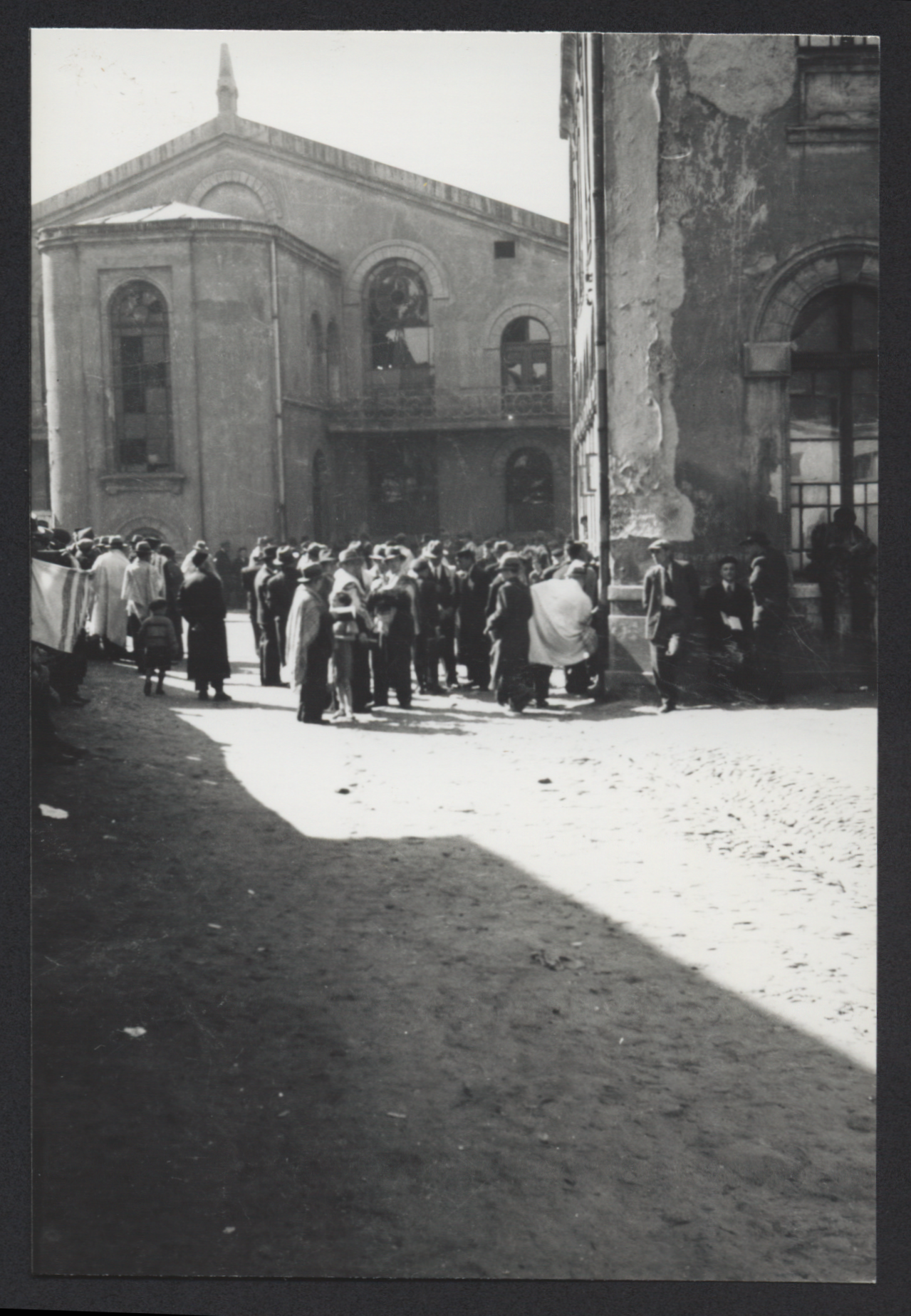
With economic development, social life flourished. At the turn of the 19th and 20th centuries, there were already four large synagogues and hundreds of houses of prayer. The community and the Synagogue Supervisory Board played a major role in social and religious life. Its members included major entrepreneurs: Izrael Poznański and Szaja Rosenblatt. The most prominent of the rabbis, Eliasz Chaim Majzel – a Jew from the Vilnius Governorate – was famous for his philanthropy, opposed superstition and intolerance, and focused on cooperation, also with Christians. He held his office for 39 years, until his death in 1912.
Jewish schools were established in the city, not only religious ones, but also secular ones, funded by entrepreneurs, including vocational schools preparing future employees for Łódź's industry. One institution where poor children and orphans could study thanks to scholarships and grants was Talmud-Tora – an elementary and vocational school run by the Jewish Charitable Society, whose members included entrepreneurs such as Izrael Poznański, Markus Silberstein, Salomon Barciński and Szaja Rosenblatt. There were also schools established by organisations associated with various communities, such as the Medem School, where Yiddish was taught unofficially at the time, founded by a community associated with the Bund, or the Hebrew elementary school.
Jewish political groups were active in Łódź: Aguda, General Zionists, Revisionists, Poale Zion, Folkists, Bundists and Communists. Most of these parties had their own youth organisations, cultural institutions, libraries and sports clubs. The city also had an Orthodox party, which operated only here – the Non-Partisan Religious Jews, associated with the Hasidic organisation of Tzadik Dancygier from Aleksandrów near Łódź. Jews had their representatives in the City Council. Although 1934 brought the triumph of the National Democrats, the Socialists won the elections in 1936 and 1938, largely thanks to the Jewish socialist party, the Bund.
Jews invested in culture: bookshops, cinemas, publishing houses. The range of Jewish press, published in Yiddish and Polish, was extremely broad. In 1905, on the initiative of Icchak Zandberg, a Jewish theatre was established. The most distinguished actors of the time performed there as guests: Ester Rachel Kamińska, Borys Tomaszewski and Fanny Blumentall. In 1912, a second Jewish theatre, Scala, was opened at 18 Cegielniana Street (now 15 Więckowskiego Street).
The city was home to many outstanding artists: poets Julian Tuwim, Icchak Kacenelson, and Maria Przedborska; painters Artur Szyk, Samuel Hirszberg, Maurycy Trębacz, Ida Brauner, and Zofia Gutentag; musicians Artur Rubinstein, Aleksander Tansman, and Bronisława Rotsztatówna. Some of them belonged to the Jung Yiddish artistic and literary group.
Jewish Łódź also gave rise to thriving scientific and medical societies, sports clubs and scout groups.
The Jewish community was varied not only in political and religious terms, but also economically. In this respect, the population was strongly polarised. Many Jewish residents of the city lived in poverty, and many belonged to the proletariat. The Old Town remained the Jewish district of poverty. The wealthier residents lived mainly on the commercial streets of the city centre. This disparity was not only visible among Jews, but also among the multicultural society of Łódź as a whole. This polarisation and the fact that industry was largely monopolised by wealthy Jews became the basis for growing anti-Semitic sentiments. Although at the end of the 19th century and during the 1905 revolution, workers' parties prevented their supporters from directing their anger at the Jewish population, World War I and then the Great Depression led to even greater social division – a large part of the population of Łódź lived in poverty, which, combined with agitation by National Democratic groups and the press, intensified anti-Semitism, resulting, among other things, in the pogrom of 17 September 1919. Many of the heroes whose stories are featured in the exhibition remember the anti-Semitic sentiments of the interwar period in schools, on the streets and in courtyards.
The outbreak of World War II and the German entry into the city on September 8, 1939, quickly affected approximately 230,000 Jewish residents of Łódź.
Patrycja Dołowy
Bibliography:
Sylwester Kołodziejczyk, Łódzcy poeci dwudziestolecia międzywojennego i ich miasto, Czytanie Literatury, Łódzkie Studia Literaturoznawcze, nr 7/2018
Wiesław Puś, Żydzi w Łodzi w latach zaborów 1793–1914, Łódź 2001
Michał Trębacz, Masakra robotników i pogrom Żydów w Łodzi, 17 września 1919 r., [w:] Pogromy Żydów na ziemiach polskich w XIX i XX wieku, T. 2 (red. Kijek K., Markowski A., Zieliński K.), Warszawa 2019, s. 285-300
Łódź. Historia Społeczności, Wirtualny Sztetl (https://sztetl.org.pl/pl/miejscowosci/l/497-lodz/99-historia-spolecznosci/137633-historia-spolecznosci), [dostęp: 27.10.2025]
Żydowska oświata w Łodzi w XIX i na pocz. XX w.(https://sztetl.org.pl/pl/miejscowosci/l/497-lodz/102-oswiata-i-kultura/27221-zydowska-oswiata-w-lodzi-w-xix-i-na-pocz-xx-w), [dostęp: 14.12.2025]
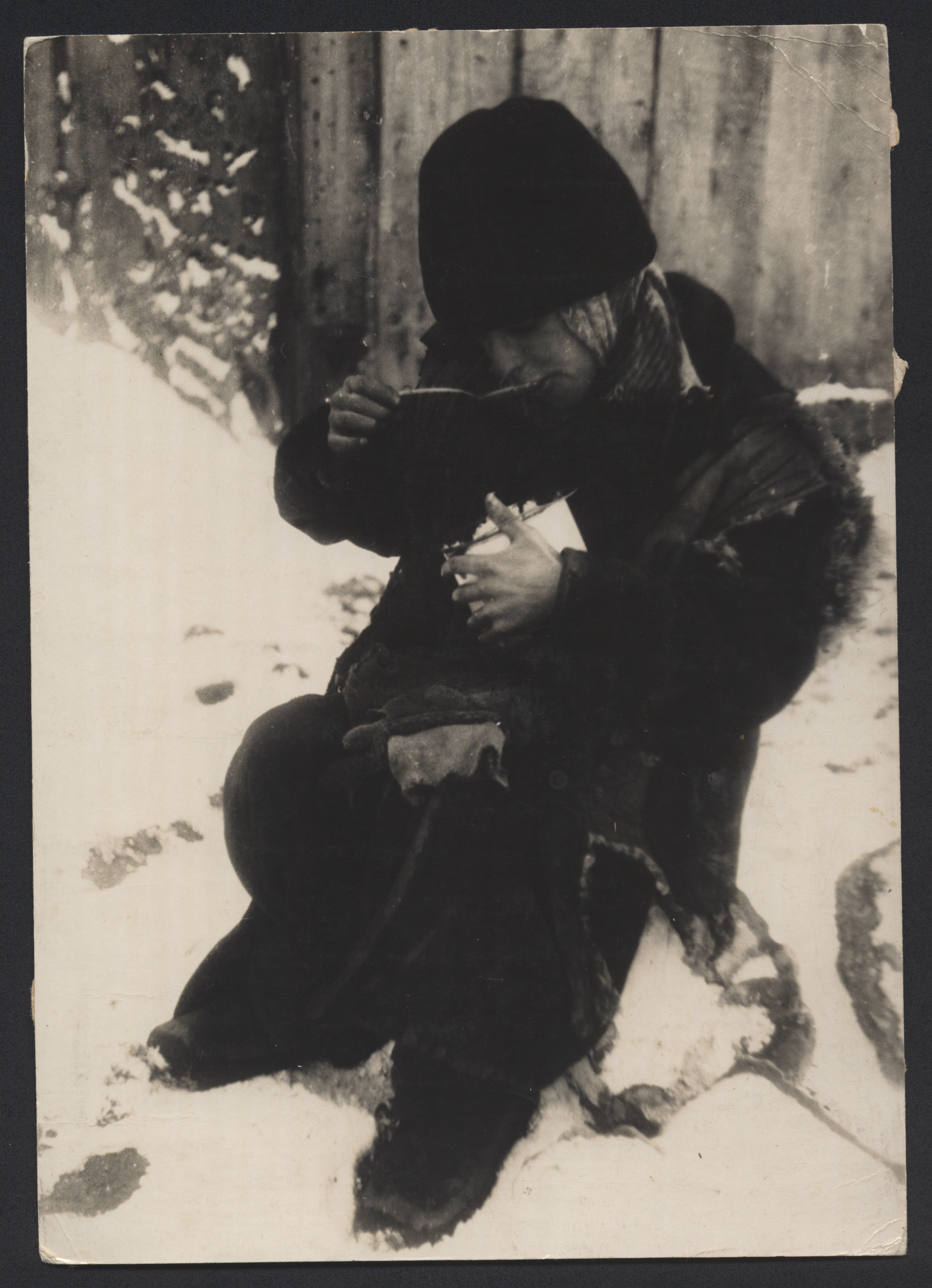
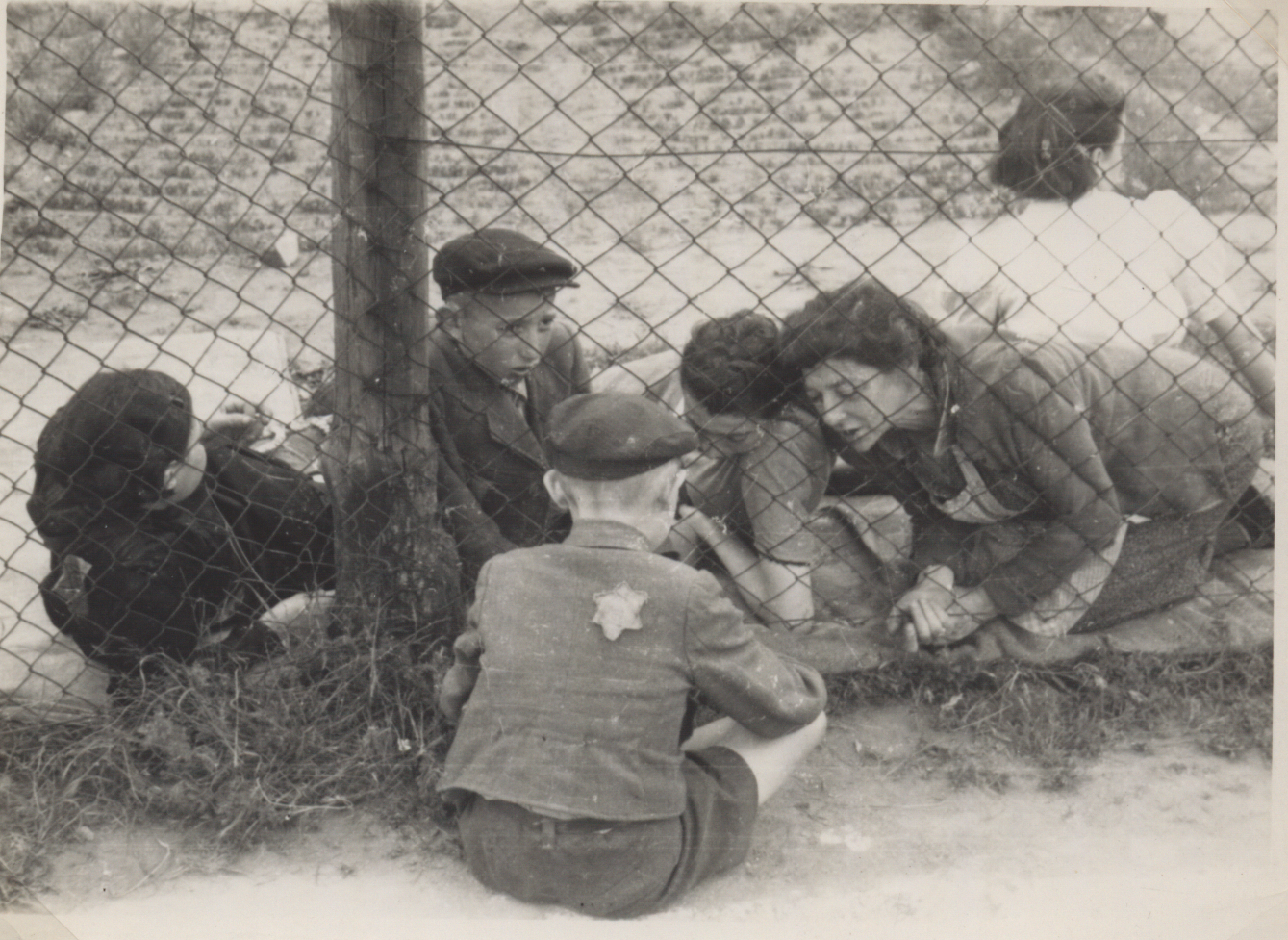
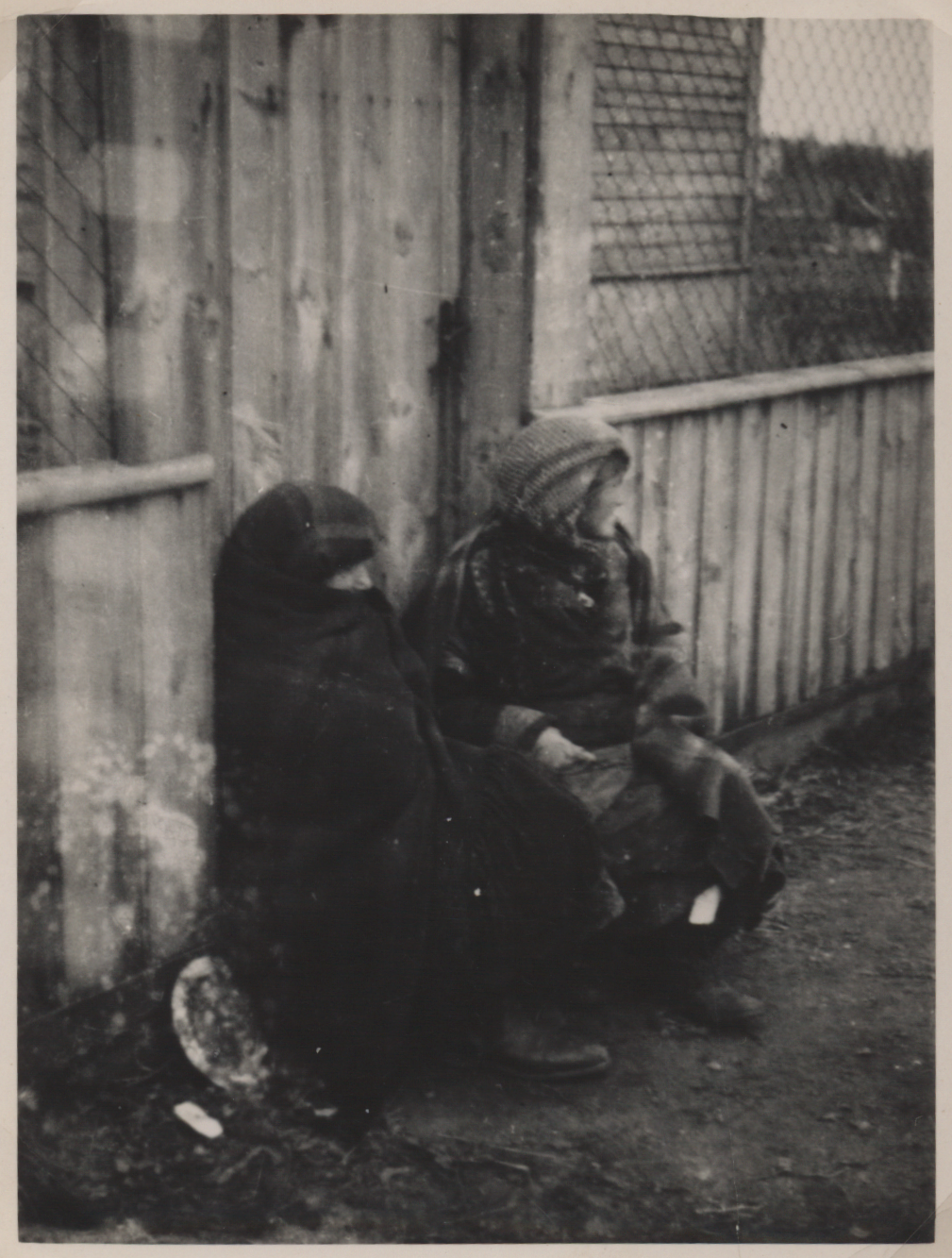
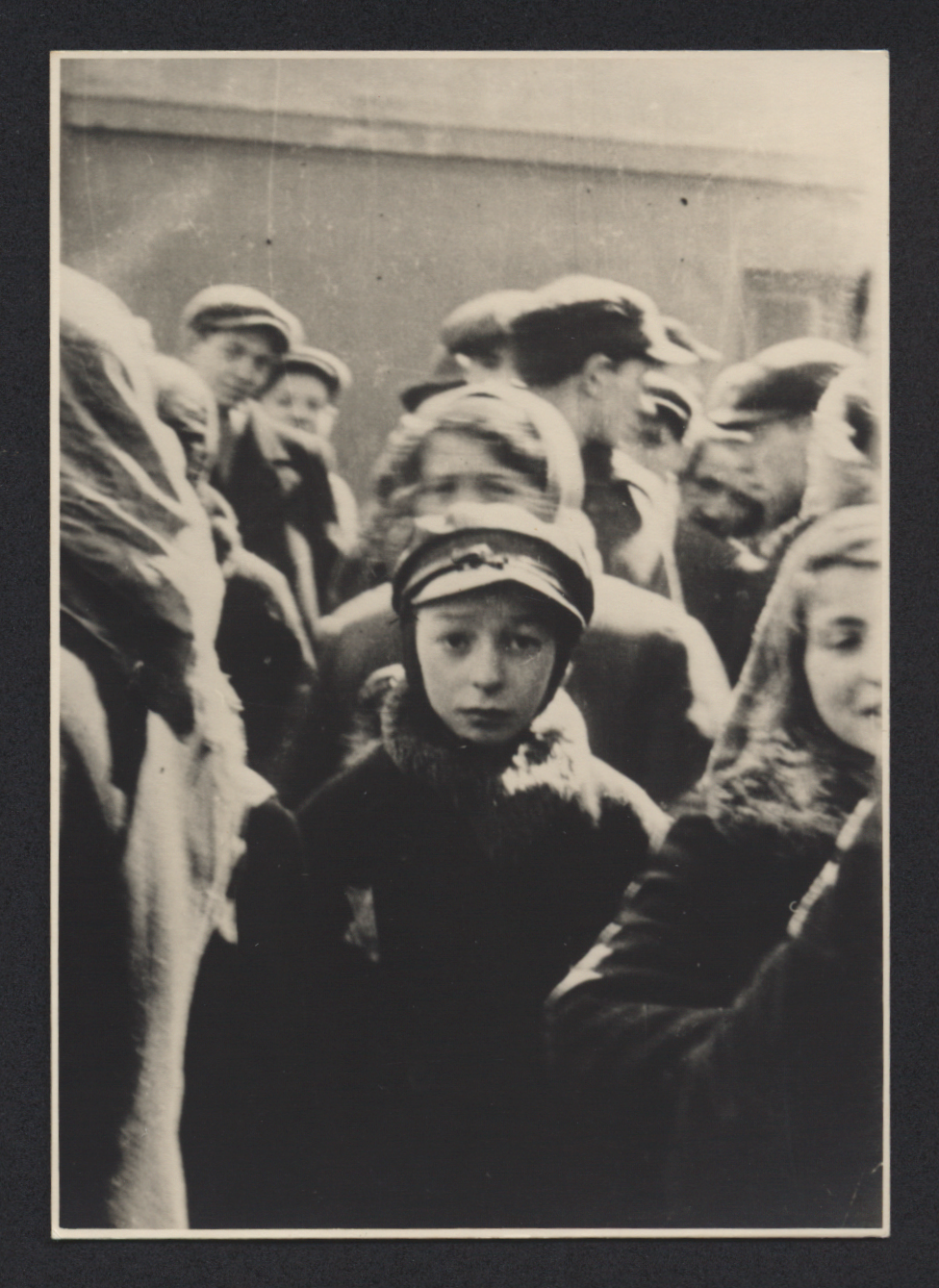
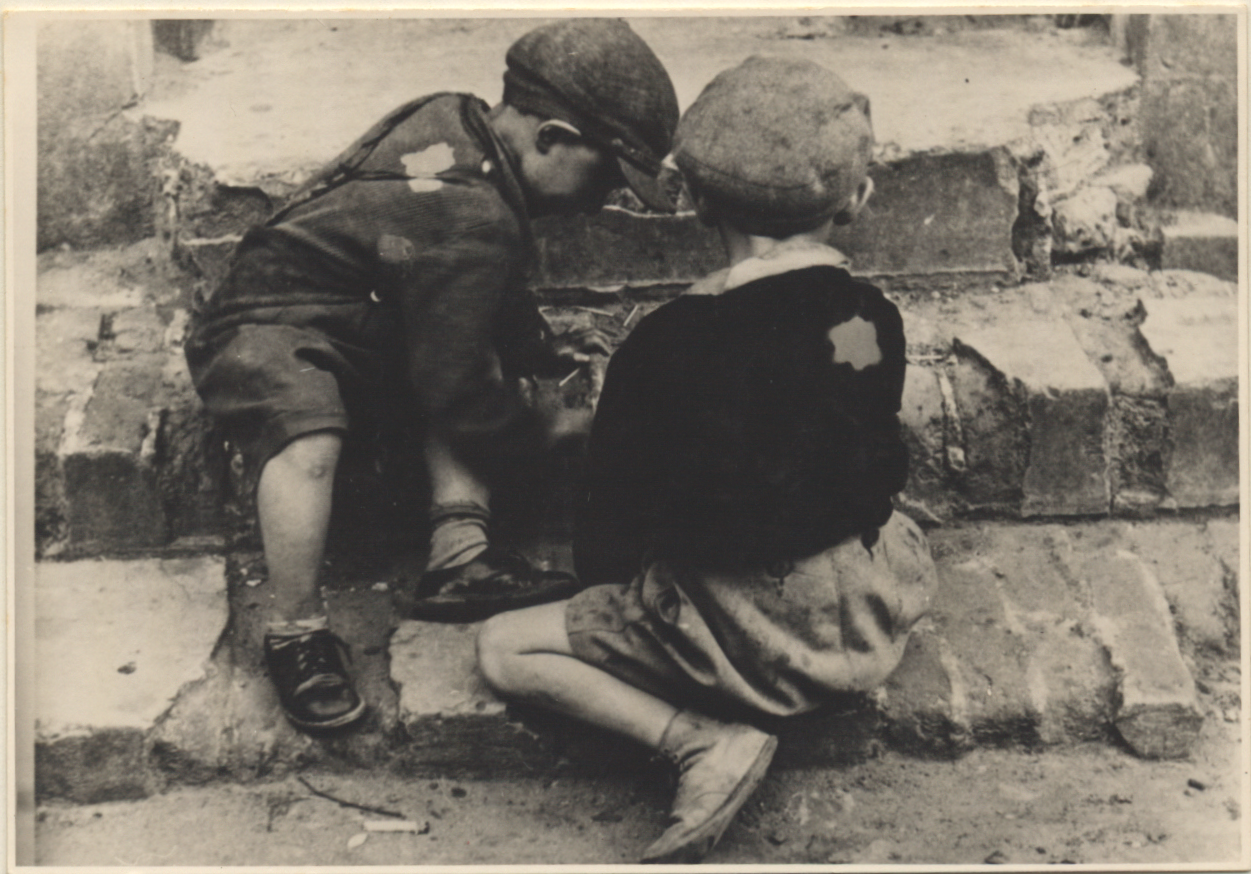
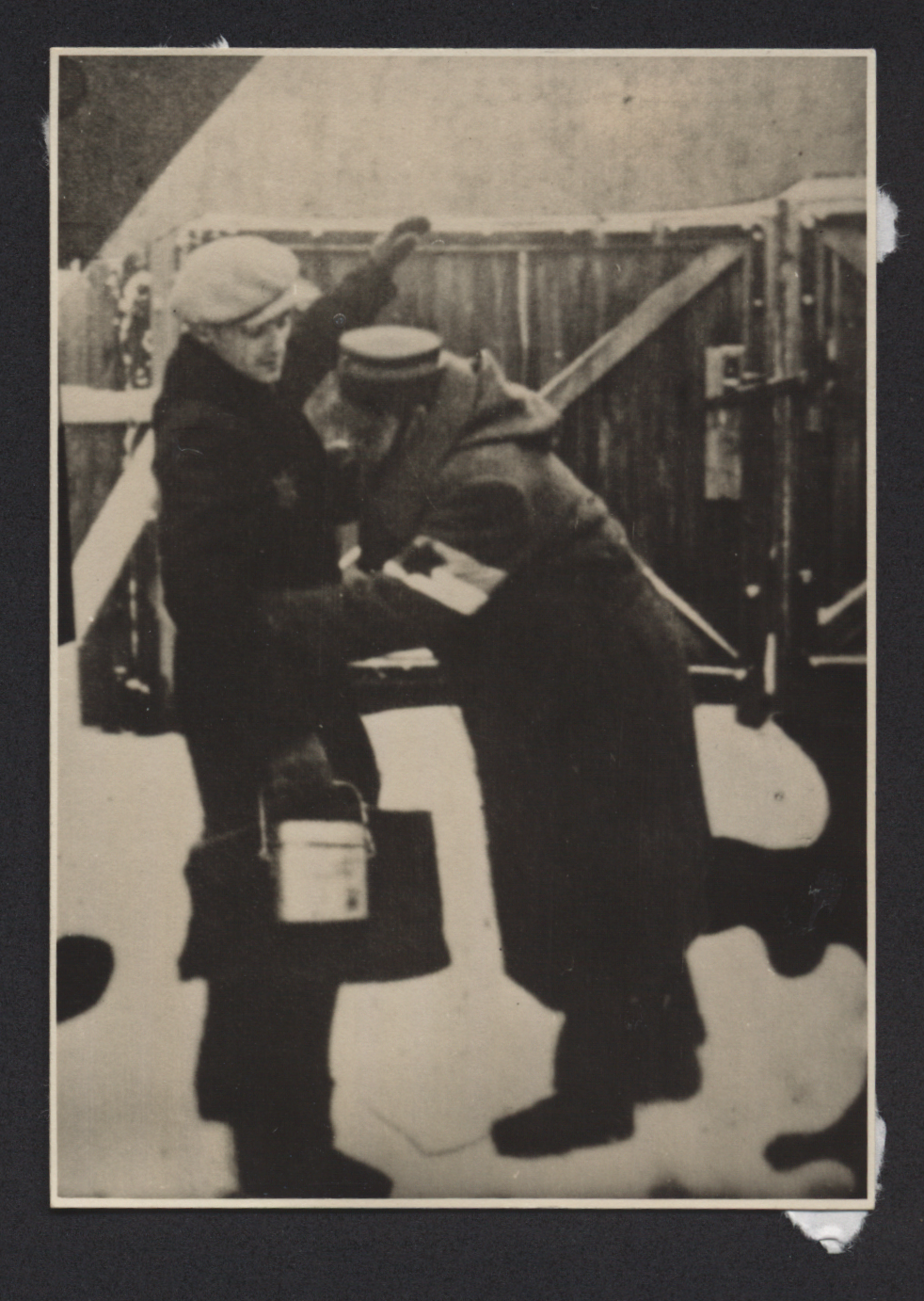
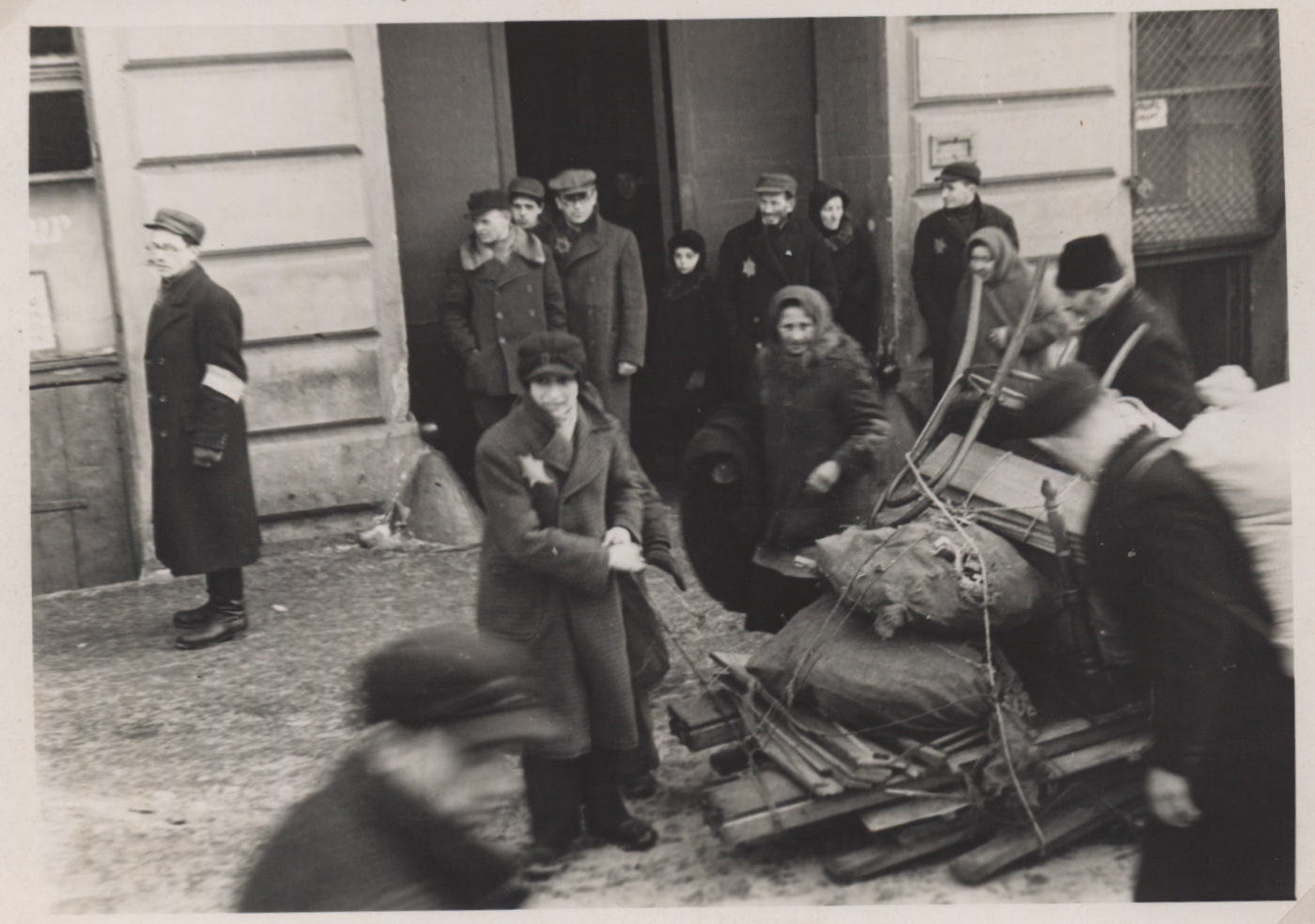
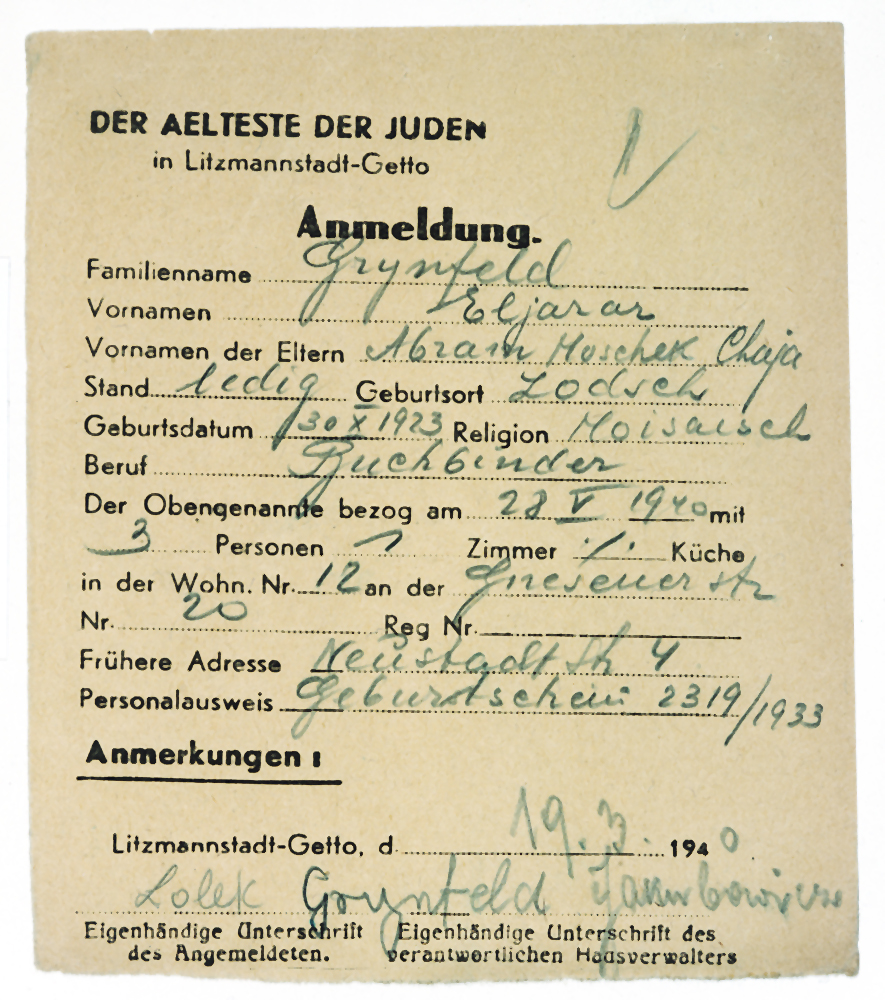
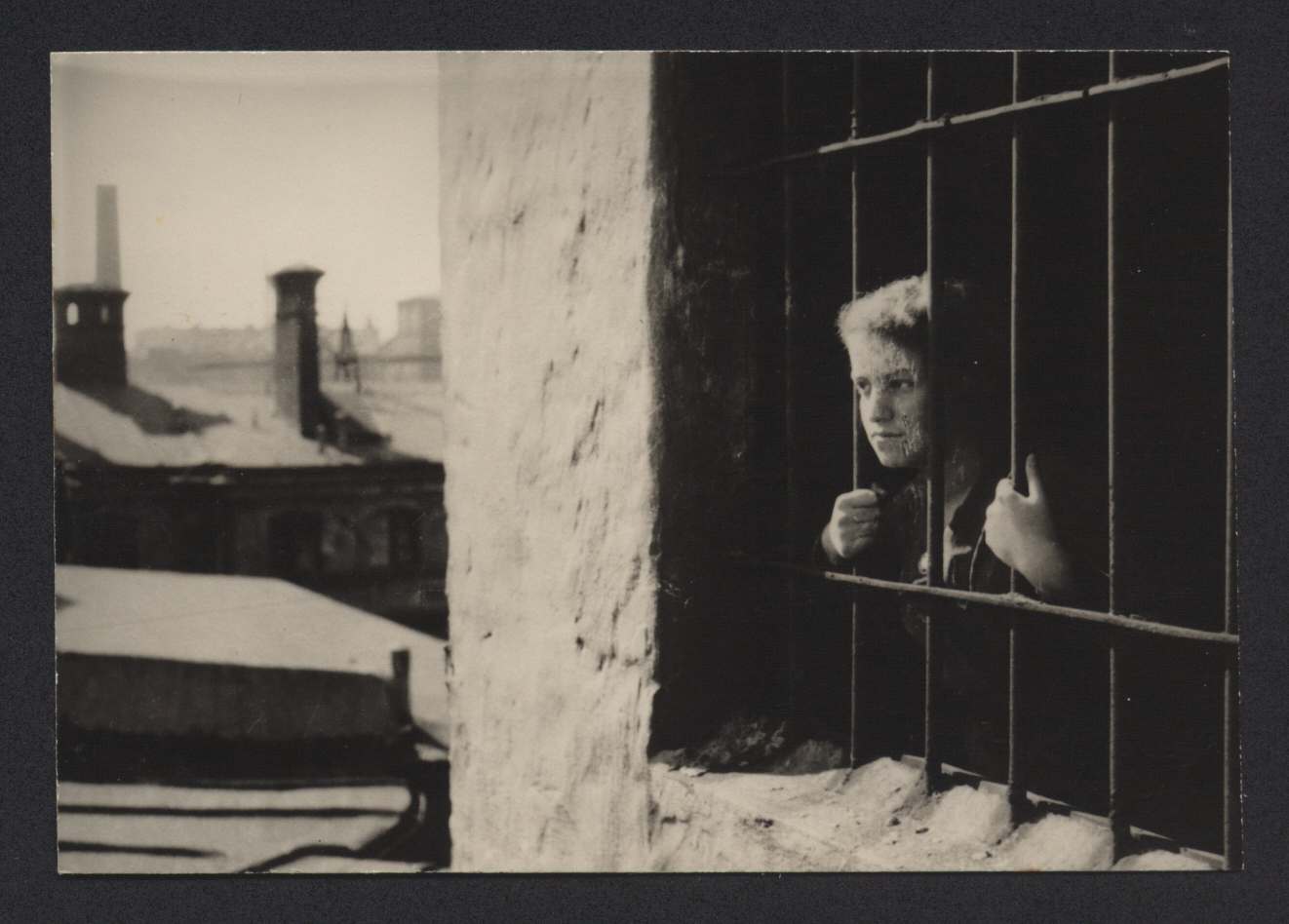
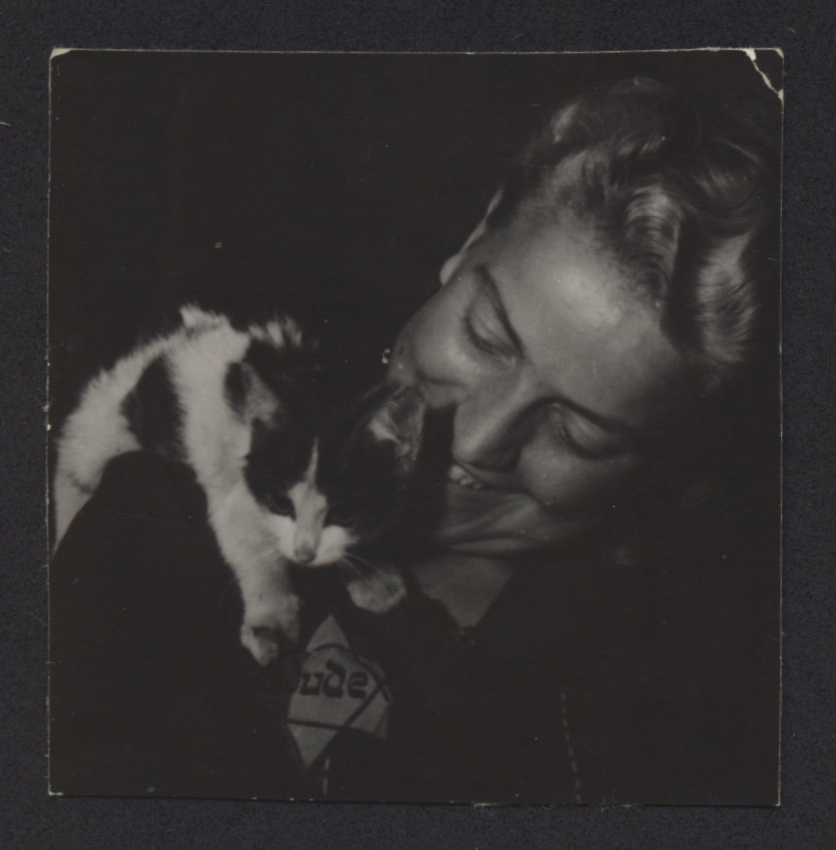
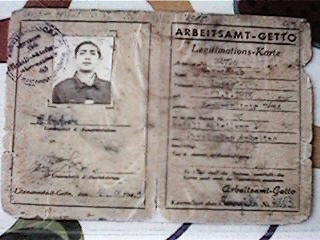
The ghetto in Łódź was created on 8 February 1940 and was the second largest ghetto in occupied Europe. The forced resettlement of Jews from other parts of Łódź continued until its closure on 30 April 1940. This culminated in ‘Bloody Thursday,’ during which the Germans murdered several hundred resisting people. From the beginning of May 1940, anyone attempting to cross the fence made of planks and barbed wire without permission risked being executed.
At the moment of closure, there were over 163,000 prisoners in the ghetto. In the following months, more Jews were deported there from liquidated provincial ghettos in nearby towns, including Pabianice, Brzeziny, and Wieluń. In the autumn of 1941 transports of 20,000 Jews from Western Europe (the so-called Old Reich, the Protectorate of Bohemia and Moravia, and Luxembourg) arrived in the Łódź ghetto, as well as 5,000 Roma and Sinti from Burgenland (the border region between Austria and Hungary). In total around 200,000 people passed through the Łódź ghetto.
The ghetto in Litzmannstadt (as the city was renamed in April 1940) remained one of the most isolated from the outside world. The lack of sewage systems and the creation of a ‘firebreak area’, i.e. the demolition of numerous buildings along its southern border (including those in what is now the Old Town Park) ordered by the Germans, effectively cut people off from contact with the outside world..
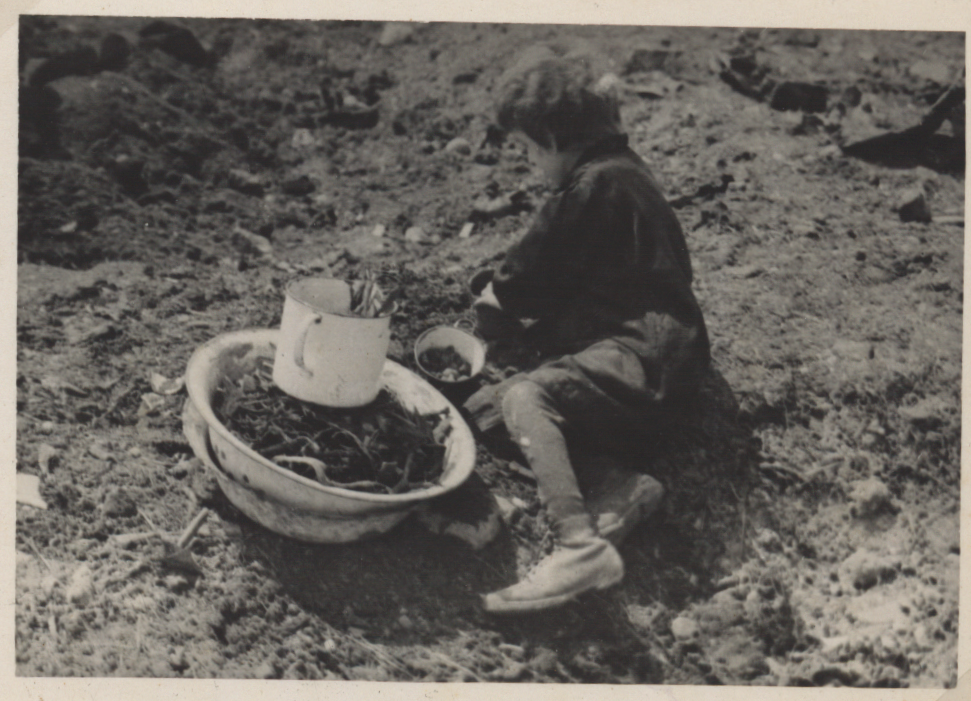
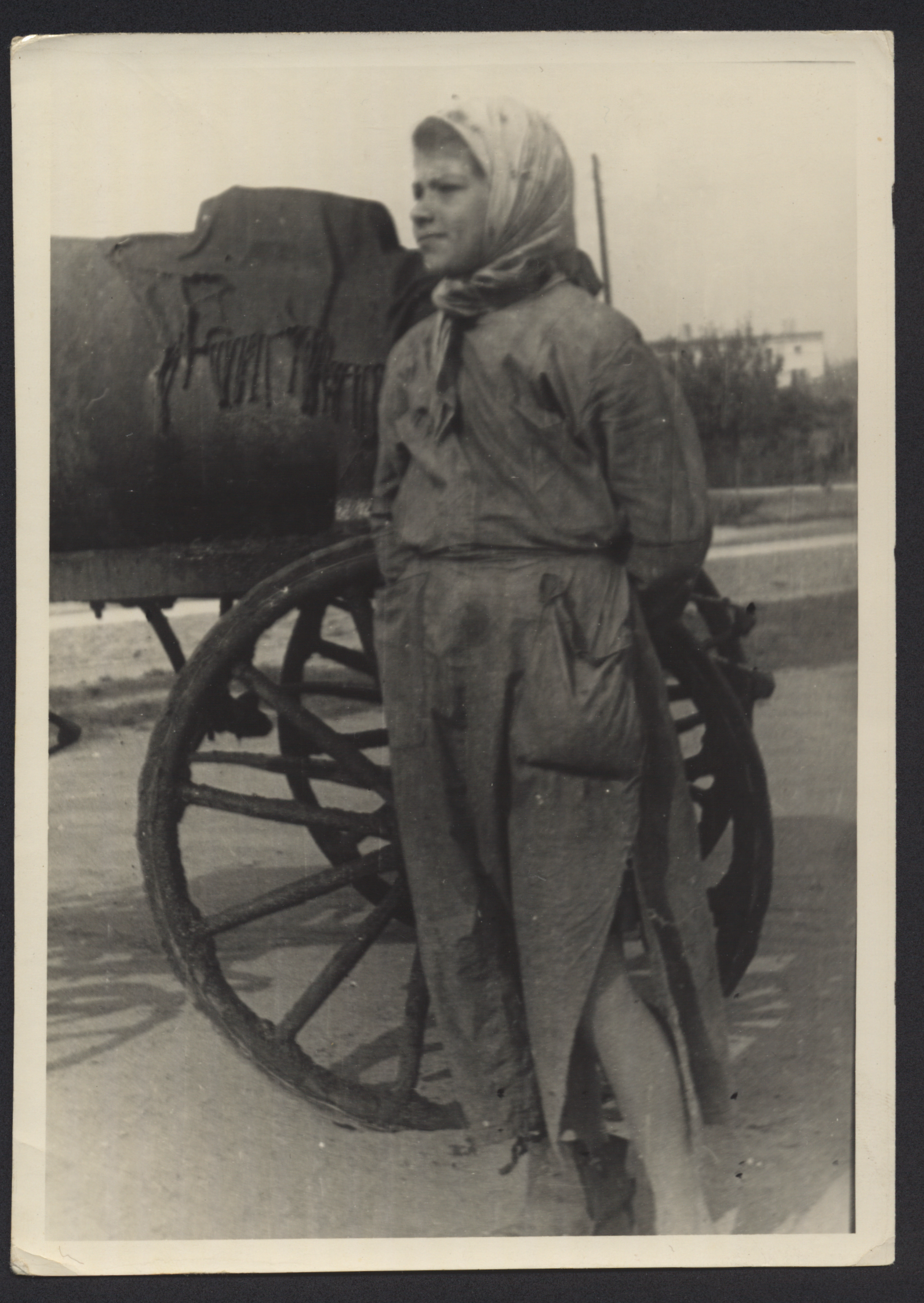
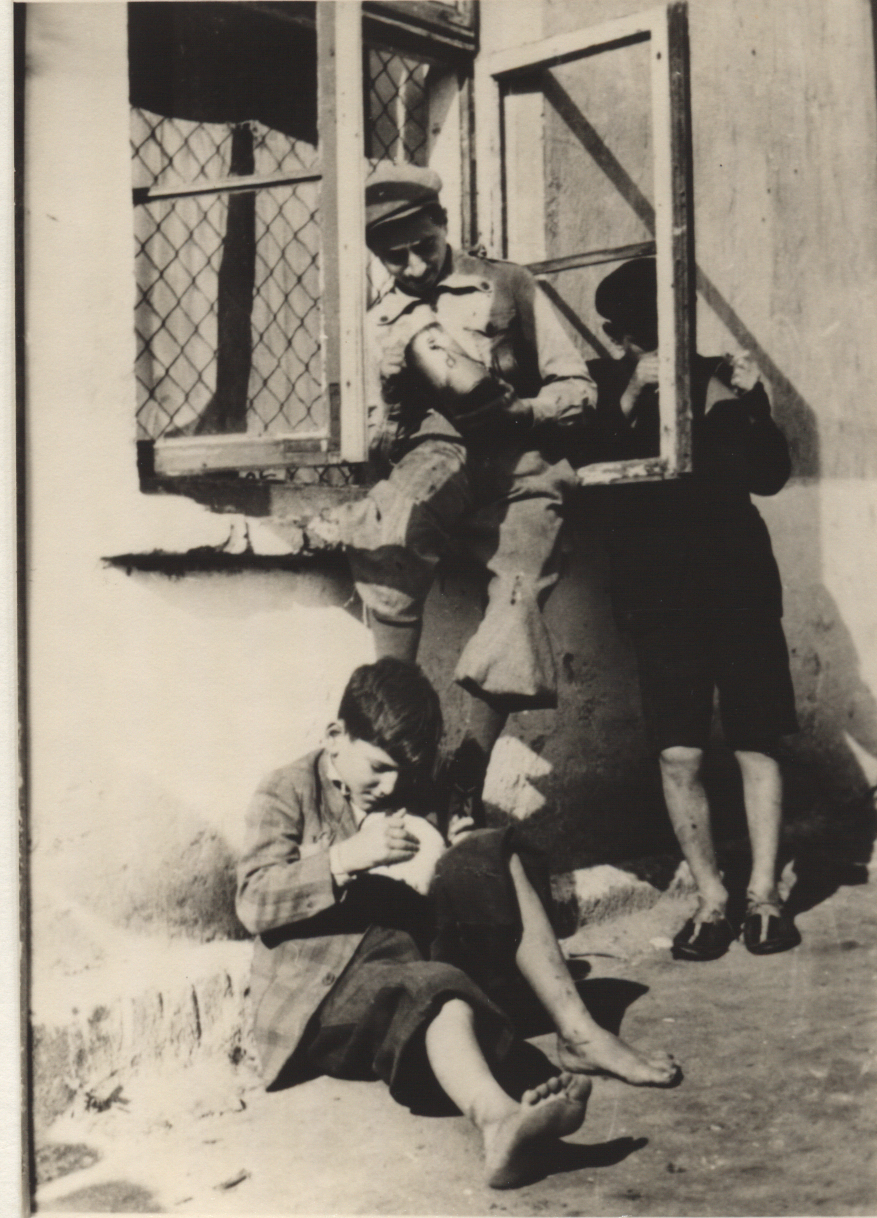
In Marysin, in the eastern, less populated part of the ‘closed district’, a network of allotments and gardens was created to help combat hunger. Initially, with the consent of the ghetto administration, the ‘farms’ were run by various youth organisations continuing their pre-war mission of preparing settlers for emigration to the land of Israel (Eretz Yisrael). In total, about 20 kibbutzim were formed, bringing together over 1,000 people. Over time, these plots were also allocated to individual users. However, in the prevailing difficult conditions of hunger, cold, lack of adequate medical care and slave labour, this could not prevent the high mortality rate of the ghetto's inhabitants. By the time of its liquidation in 1944, 43,000 people had died there. They were buried in the new Jewish cemetery on Bracka Street, in the so-called ghetto field.
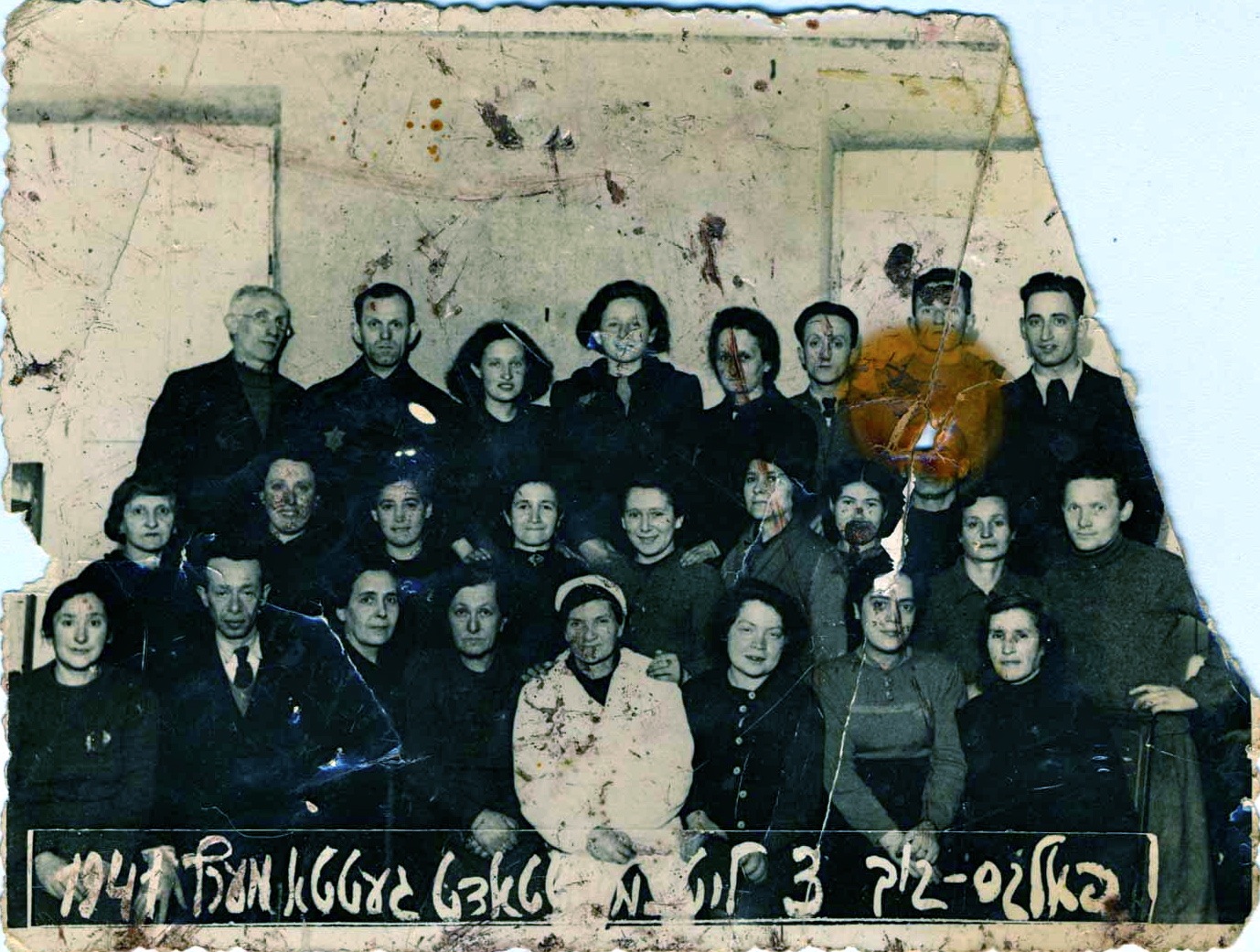
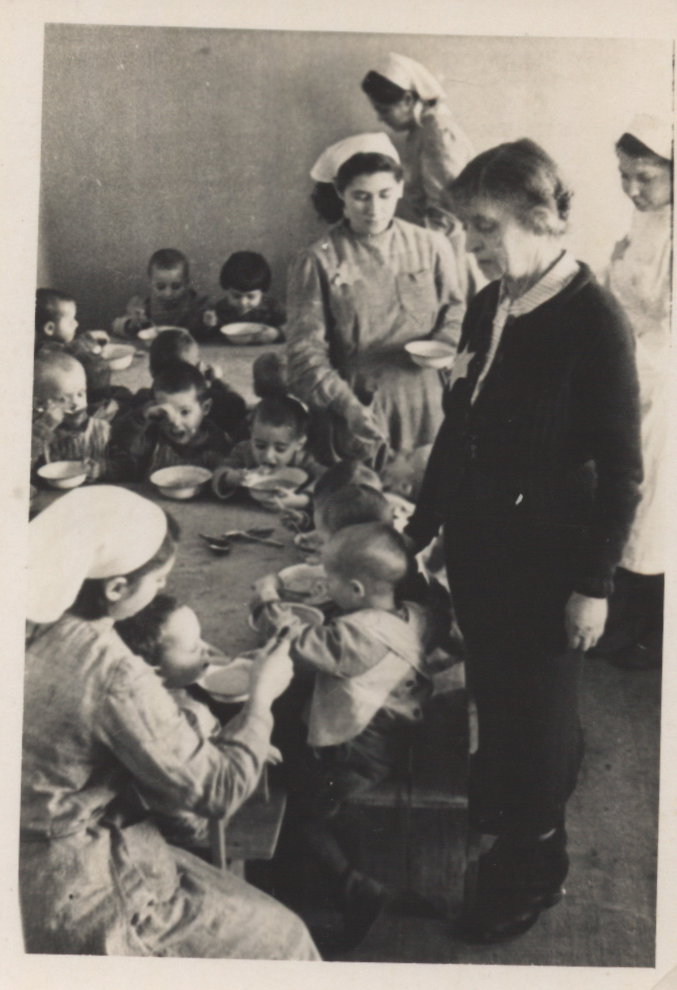
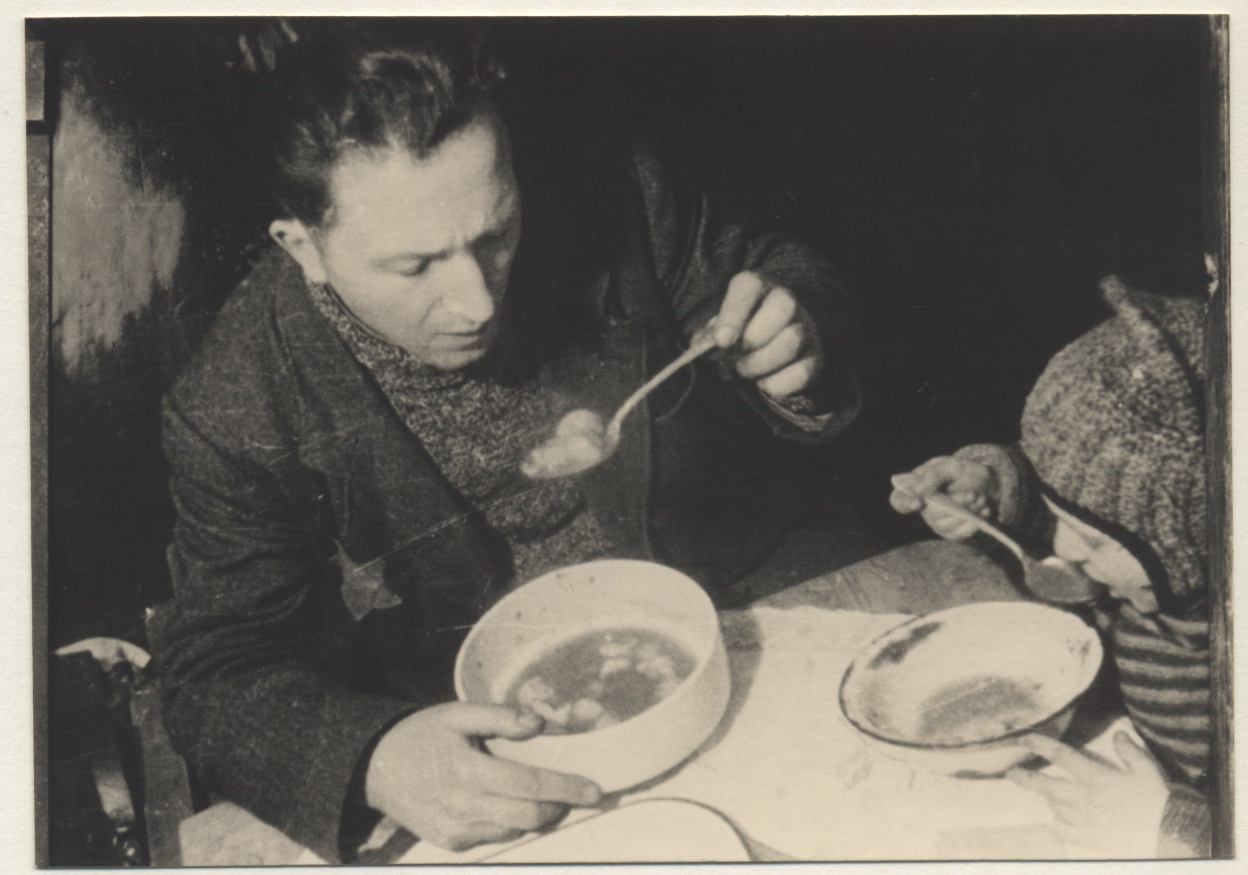
In spite of the appalling living conditions in the ghetto, its forced inhabitants tried to maintain a semblance of normality. They organised schools (which existed until autumn 1941), offices and medical care. Efforts were made to recreate cultural life – the ghetto's Community Centre held concerts, theatre performances and poetry recitals. Informal artistic groups were formed.
There were also attempts to organise civil resistance. It took various forms – from taking illegal photographs showing the true image of life, through actions encouraging inefficient, slow work, to documenting the history and experiences of life in the ghetto, which resulted, among other things, in the ‘Chronicle of the Łódź Ghetto’, created secretly by employees of the Statistics Department. Refusal to accept the reality of the situation was also expressed in personal diaries and literary works. Another obvious form of resistance was the creation of hiding places and avoidance of deportation to unknown destinations, as well as mutual help in surviving.
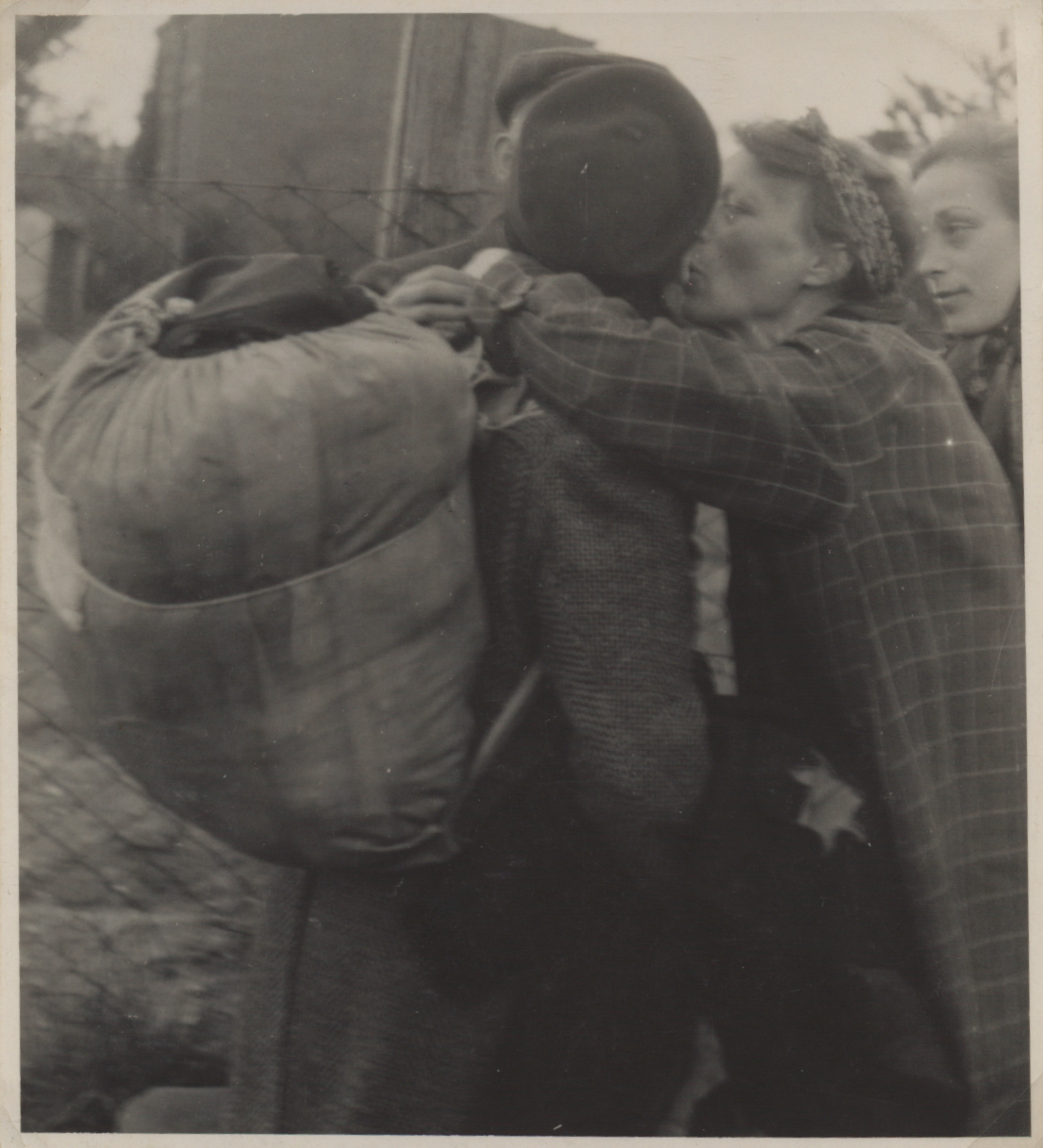
In the summer of 1941, upon the suggestion of Arthur Greiser, the governor of the Wartheland, the first stationary extermination camp was set up in Chełmno on the Ner River, a village located 70 kilometres from Łódź. After the extermination of Jews from the surrounding towns of Wielkopolska, prisoners from the Łódź ghetto began to be sent there – the first victims from Łódź were 4,300 Roma. As a result of mass deportations from the ghetto via the Radegast station between January and September 1942, approximately 70,000 Jews were murdered in Chełmno.
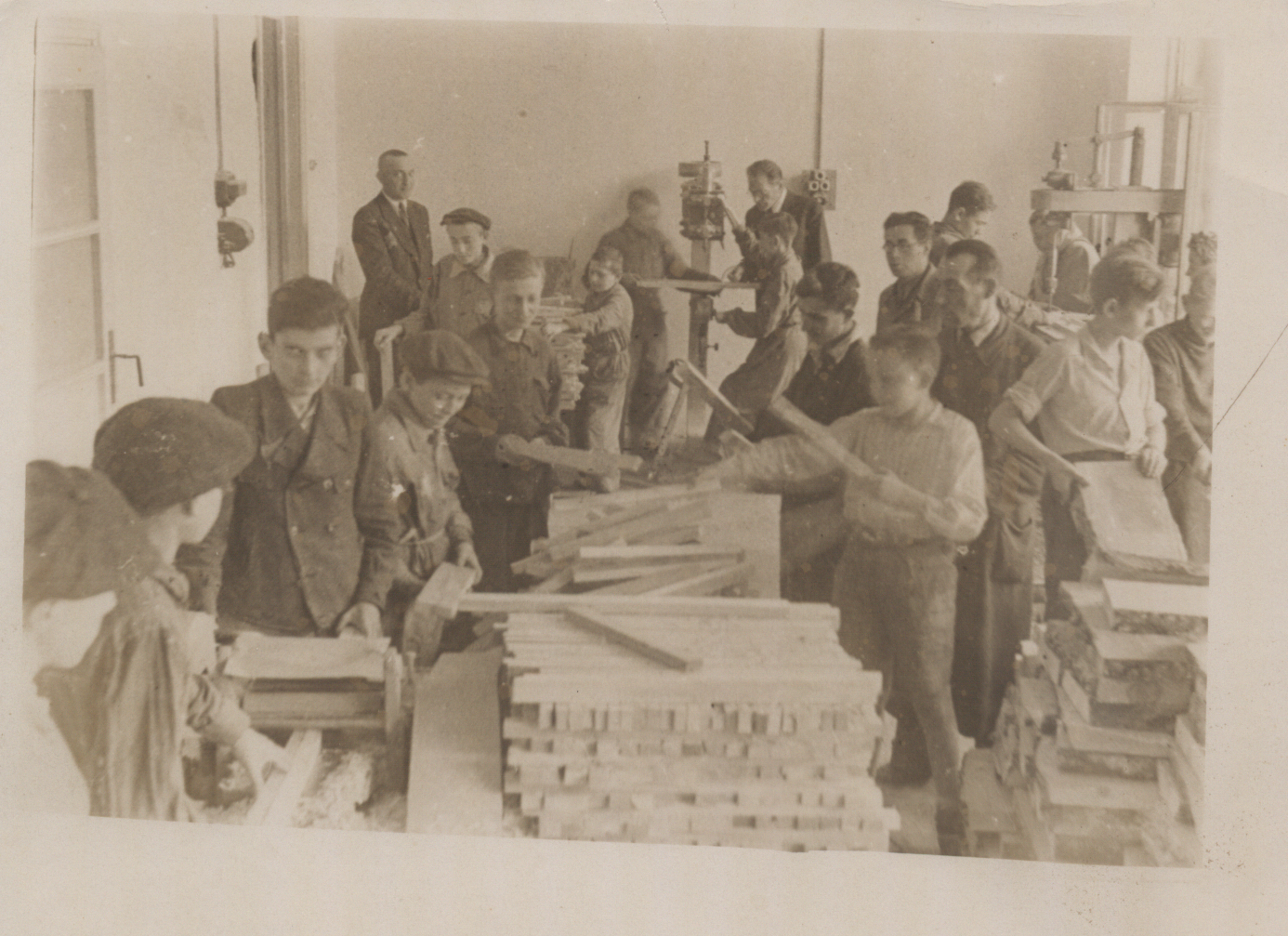
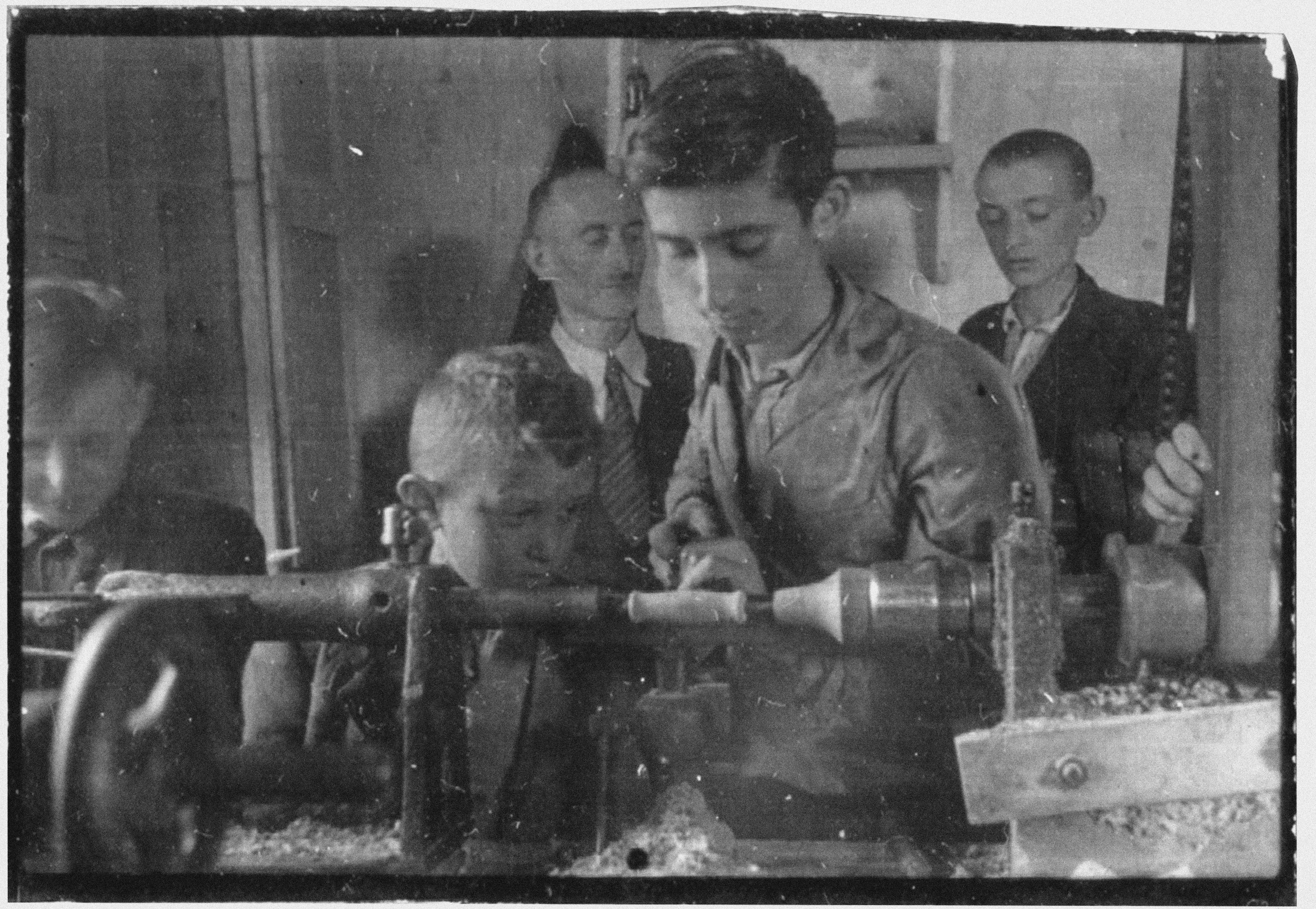
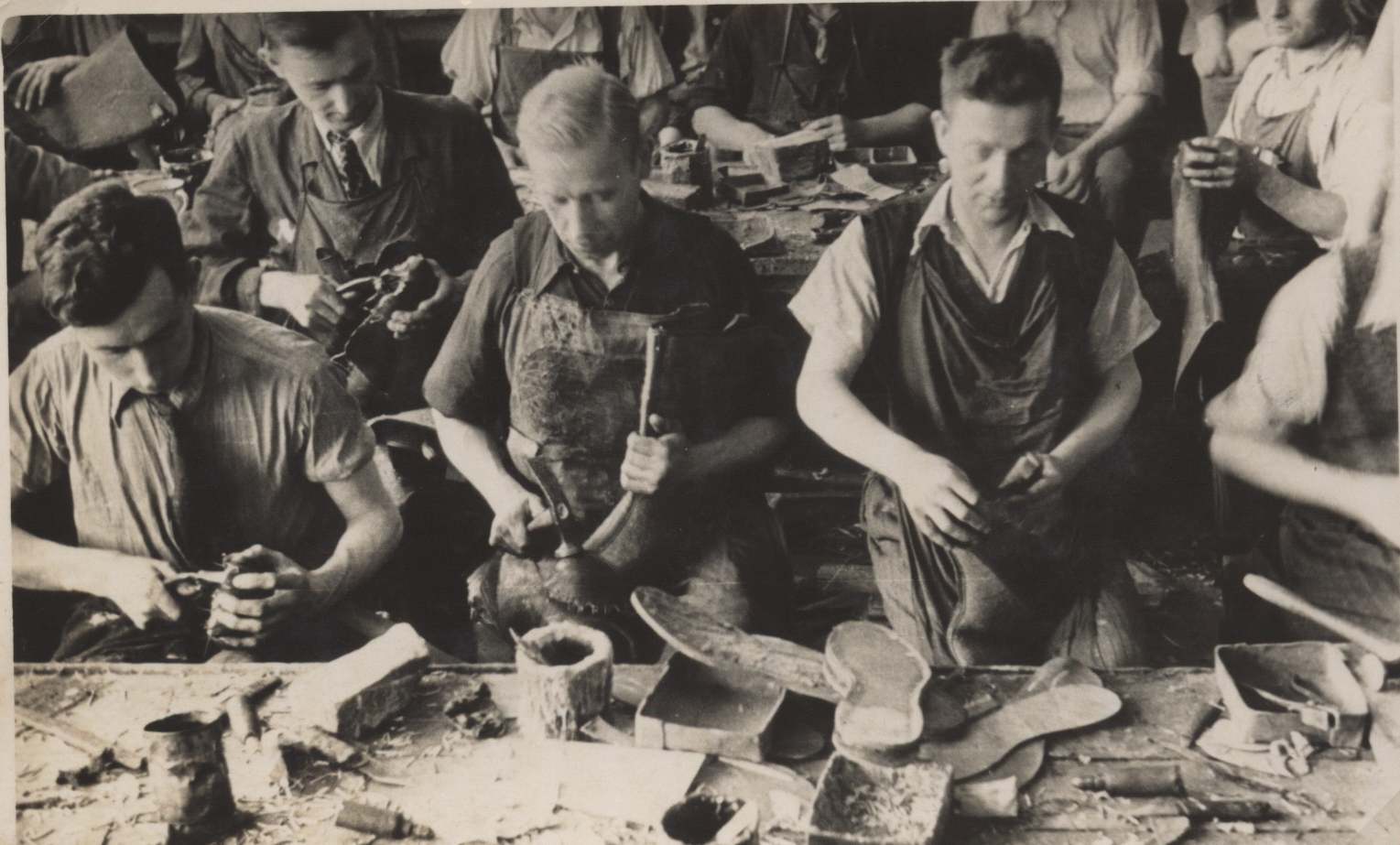
A turning point for the functioning of the ghetto and how it is remembered was the deportation of all children under the age of 10 and people over the age of 60 in September 1942. The Head of the Jewish Council, Mordechaj Chaim Rumkowski, had to announce the Germans' decision in his shattering speech delivered on 4 September 1942 at Plac Strażacki (now 14 Zachodnia Street). A day later, a ‘szpera’ (German: Gehsperre) was announced, i.e. a general ban on leaving houses. Throughout the week, the Germans systematically searched successive quarters of the ghetto and selected those destined for deportation. By 12 September, over 15,000 people had been deported. After the so-called Great Szpera, the ghetto was turned into a huge labour camp. The prisoners who remained there had to work in numerous work camps, called resorts. At the peak of the ghetto's operation in 1943, there were 119 of them, all working for private German companies or the Wehrmacht.
The Łódź ghetto existed until the summer of 1944, when approximately 76,000 people still lived there. In June and July, 7,000 people were murdered in the reopened extermination camp in Chełmno on the Ner River. With the front approaching in August, the remaining 67,000 people were sent to the Auschwitz-Birkenau concentration camp, from where some of the prisoners were transported to other camps, including Stutthof and Ravensbrück.
The Red Army marched into Łódź on 19 January 1945. The handful of surviving Jewish residents of the city recalled people cheering in the streets and great joy, only to feel something completely different a moment later – the devastating realisation that the city they had lived in, their homes, their families and their community no longer existed. And yet, very quickly, the few who survived the Łódź ghetto made their first attempts to organise Jewish social life. An initiative was launched to create an organisation modelled on the Central Committee of Jews in Poland, which had been operating in Lublin since the end of 1944. On 11 February 1945, the Provisional Jewish Committee was established, which later became the Provincial Jewish Committee. Its main role was to help those who had survived the ghetto and those arriving in Łódź from camps and hiding places, and later also Jewish repatriates from other cities and towns, including those from the former territories of the Second Polish Republic incorporated into the USSR.
Although Łódź underwent a complete transformation in terms of its multicultural, multinational and economic character, it did not suffer serious damage to its infrastructure during the war. Transport continued to operate, buildings remained standing and archives were preserved. Warsaw was almost completely destroyed, so in the first years after the war, it was Łódź that began to serve as an important centre of the reborn country, becoming the informal capital of Poland. State central offices were located here, and new cultural institutions began to operate here. The city quickly returned to its industrial and working-class traditions, remaining the centre of the textile industry in the People's Republic of Poland.
Although less than 10% of Łódź's pre-war Jewish community of a quarter of a million survived the Holocaust, the city became the second most important centre of revived Jewish life after Lower Silesia. It was here that the headquarters of most Jewish organisations, including those running orphanages and soup kitchens, were located. The Provisional Jewish Committee established the Jewish Public School in September 1945. It was the largest Jewish educational institution in post-war Poland in terms of the number of students and teachers. In addition to this, a Hebrew school and two religious schools were established.
The city had Jewish community centres, cultural centres, publishing houses, the Kinor film cooperative and the Jewish Theatre. Jewish magazines were published (a total of 20 titles – some in Polish, some in Yiddish) and books were released. Jewish artists organised themselves into unions. Cooperatives also played an important role in the organisation of Jewish life. In the post-war years, there were over twenty different Jewish cooperatives operating in Łódź.
Jewish political organisations, most of which had been operating before the war, quickly re-emerged. Not all of them, such as the Jewish Democratic Party, Aguda or the Revisionists, were accepted by the authorities and had to cease their legal activities. Out of eleven Jewish parties, eight were allowed to operate legally, including the socialist Bund and the Jewish faction of the Polish Workers' Party, which wanted to pursue the ideas of equality and social justice and, regardless of their differences, create a kind of cultural and national autonomy for Jews living in Poland. Łódź was an area of intense activity for Zionist groups, which attracted not only their pre-war activists, but also people who had recently become sympathetic to Zionism, mainly as a result of their tragic experiences during the war. Zionist parties with different ideological backgrounds joined together to form the Working Palestine Camp. A Łódź branch of the Union of Democratic Zionists Ichud in Poland was also established.
Many young people, especially those who had lost all their family members, decided to live in kibbutzim (or rather, in so-called hachsharas, which prepared them for later life in Palestine), run by Zionist youth organisations. For example, Dror had its kibbutz at 18 Południowa Street (now 1905 Revolution Street), Haszomer Hacair at 49 Kilińskiego Street, Gordonia at 43 Wólczańska Street, and other groups had theirs. A youth hostel has been operating at 15 Franciszkańska Street since 1946. The residents created a unique community that maintained ties with each other for many years after the war, despite the fact that they were scattered practically all over the world.
On the other side of the spectrum were those Jews who, faced with widespread post-war anti-Semitism, decided to blend into the majority community. Some of them kept the names and surnames from their fake “Aryan papers” from the war, while others changed their names and surnames to more Polish-sounding ones (this applied, for example, to communist activists).
The period of intense Jewish life in Łódź ended with the departure of the Polish People's Republic authorities (following the Soviet model) from the model of Jewish cultural autonomy. The Hebrew school was closed, the kibbutzim were shut down, and Zionist parties were outlawed. Against the will of most of its members, the Bund merged with the Jewish faction of the Polish Workers' Party, which was then absorbed into the Polish United Workers' Party. In 1950, the Jewish Social and Cultural Society was established to replace the committees and societies, and the institutions run by the committees were liquidated or became state property. This happened to the Jewish Theatre, which was then moved to Warsaw in 1955.
From 1949, the religious Jewish community was represented by the Religious Union of the Mosaic Faith. Many buildings previously used by the congregation were taken away from it and converted to non-religious purposes. As a result of mass emigration at that time, mainly to Israel, but also to other places in Poland, such as Lower Silesia and Warsaw, only about 10,000 of the 20,000 Jewish residents of Łódź remained.
After further departures in 1956–1957, this number decreased to 2–3 thousand, and after the anti-Jewish campaign in 1968, to less than a thousand. Jewish life practically ceased to exist; in the 1970s, 200 people were registered with the Jewish Social and Cultural Society.
Currently, there is a Jewish Religious Community operating in Łódź, which was re-established in 1993.
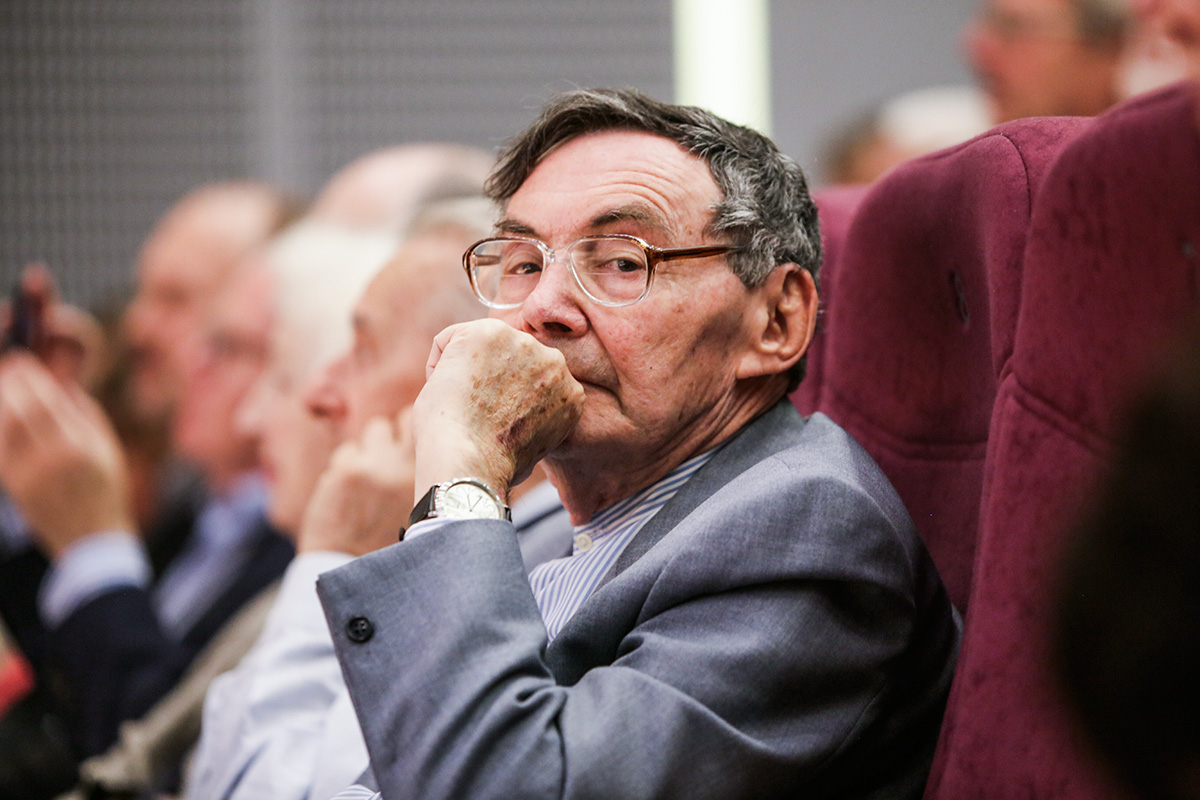
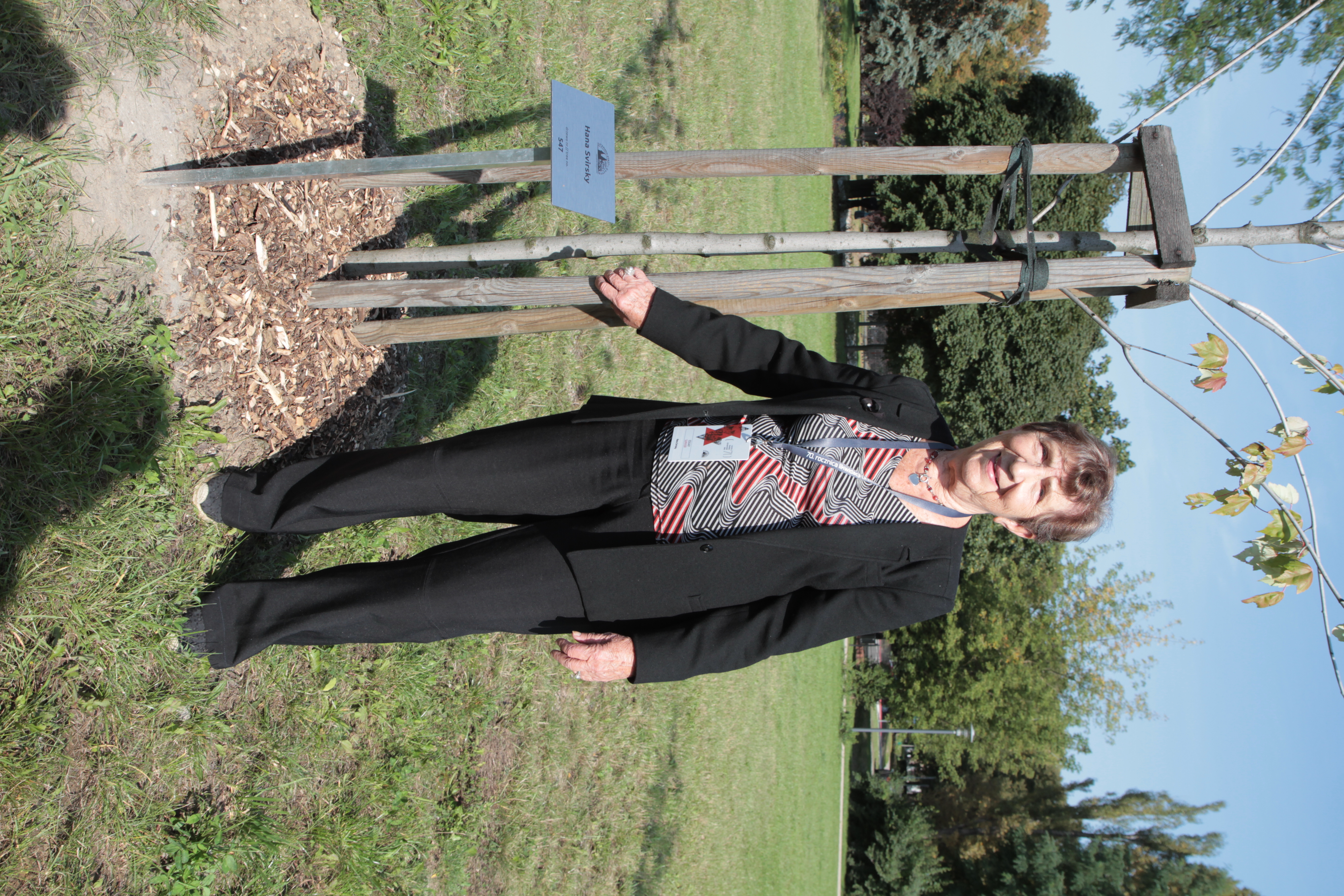
In 2004, the Survivors' Park was officially opened. The Marek Edelman Dialogue Centre began its activities in 2011 and maintains contact with the families of Survivors from Łódź and around the world.
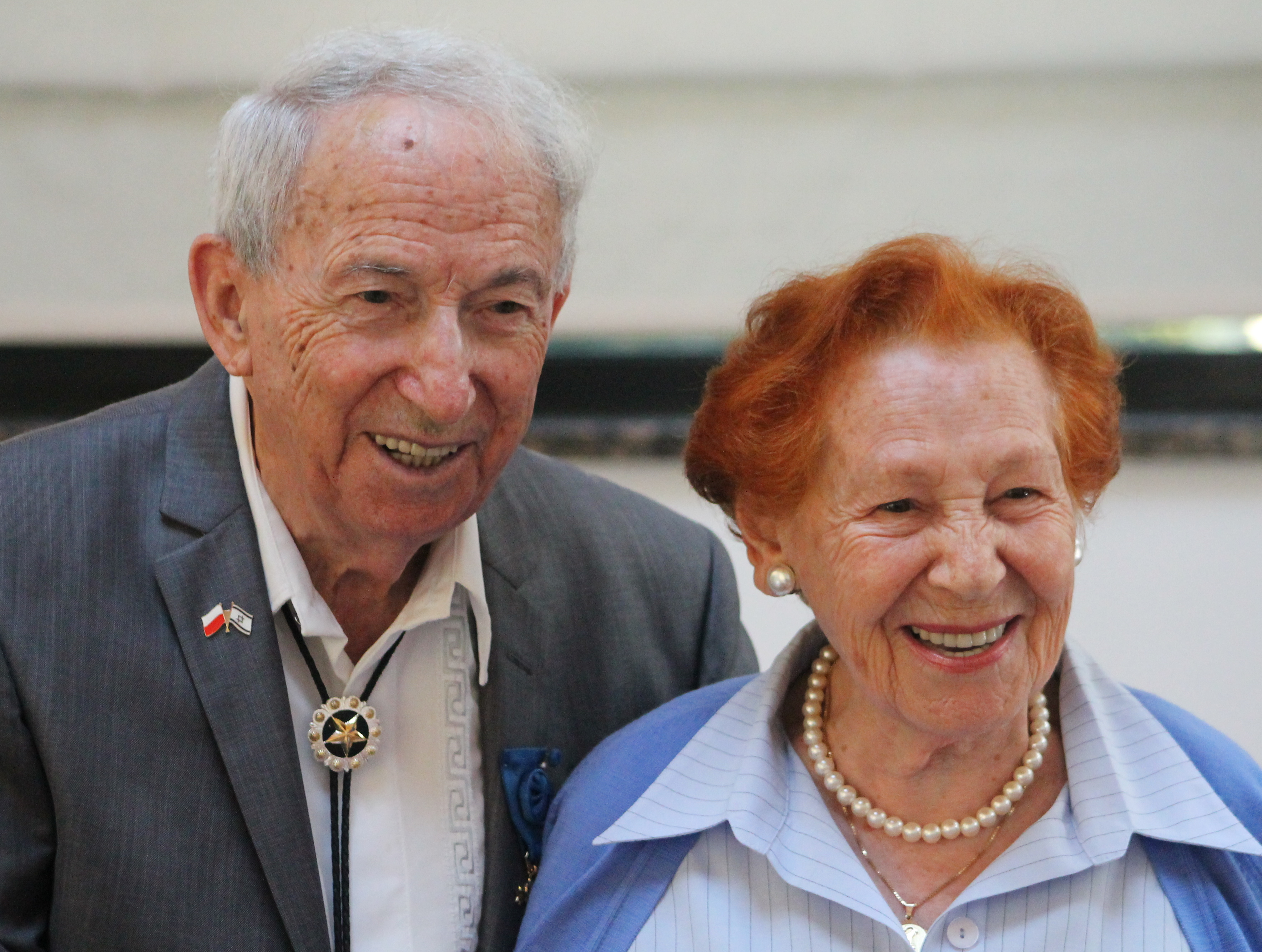
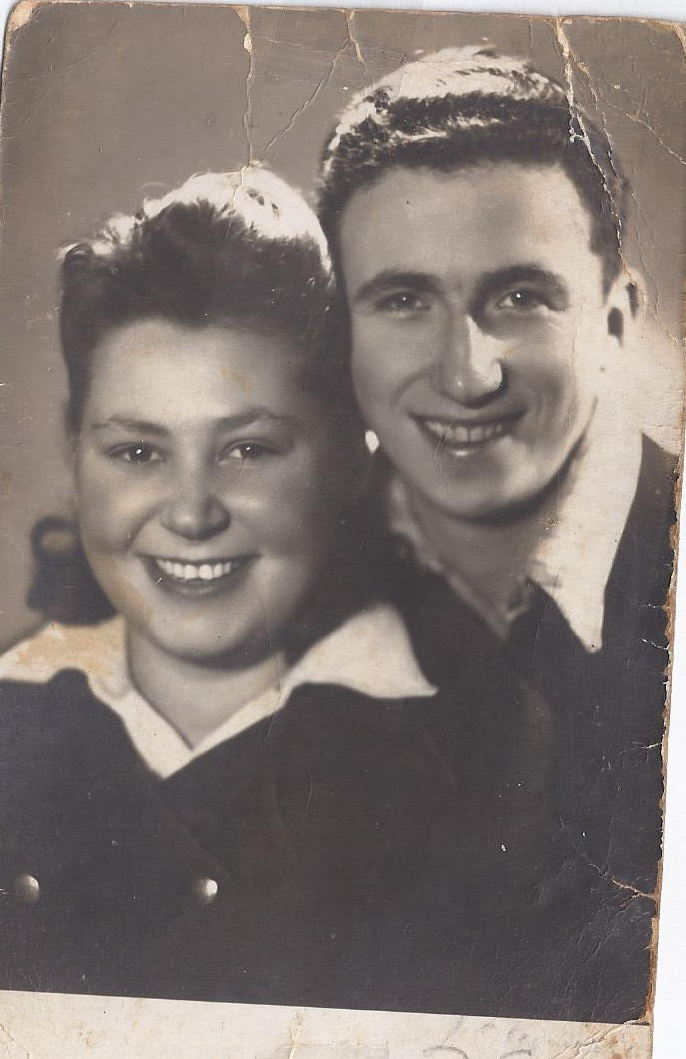
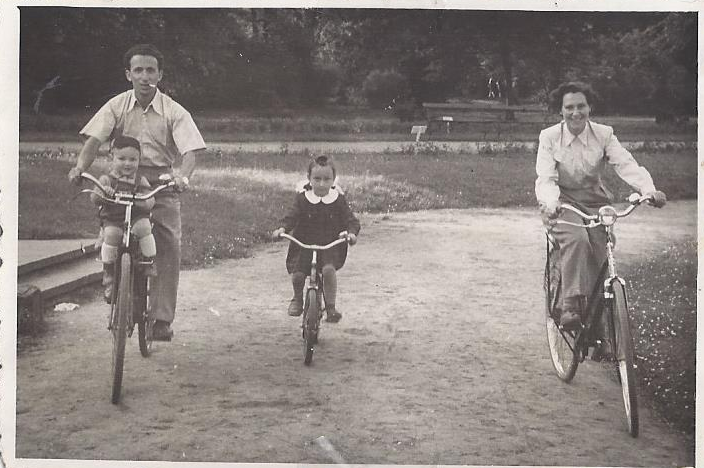
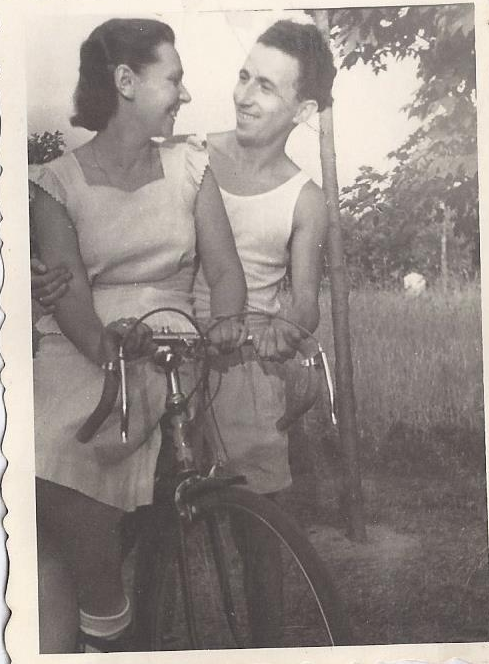
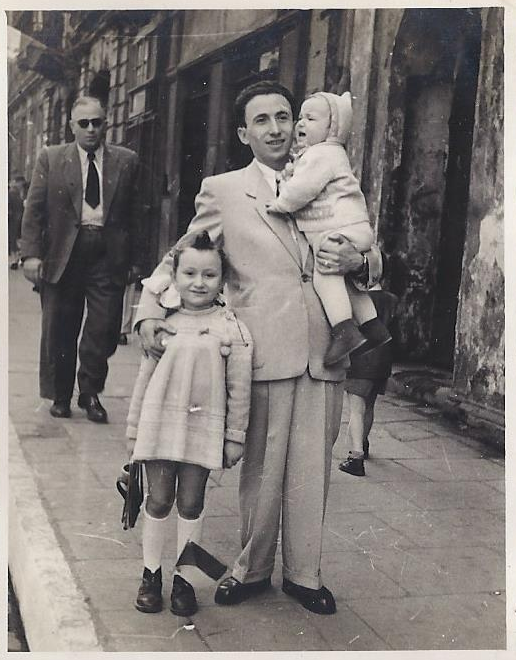
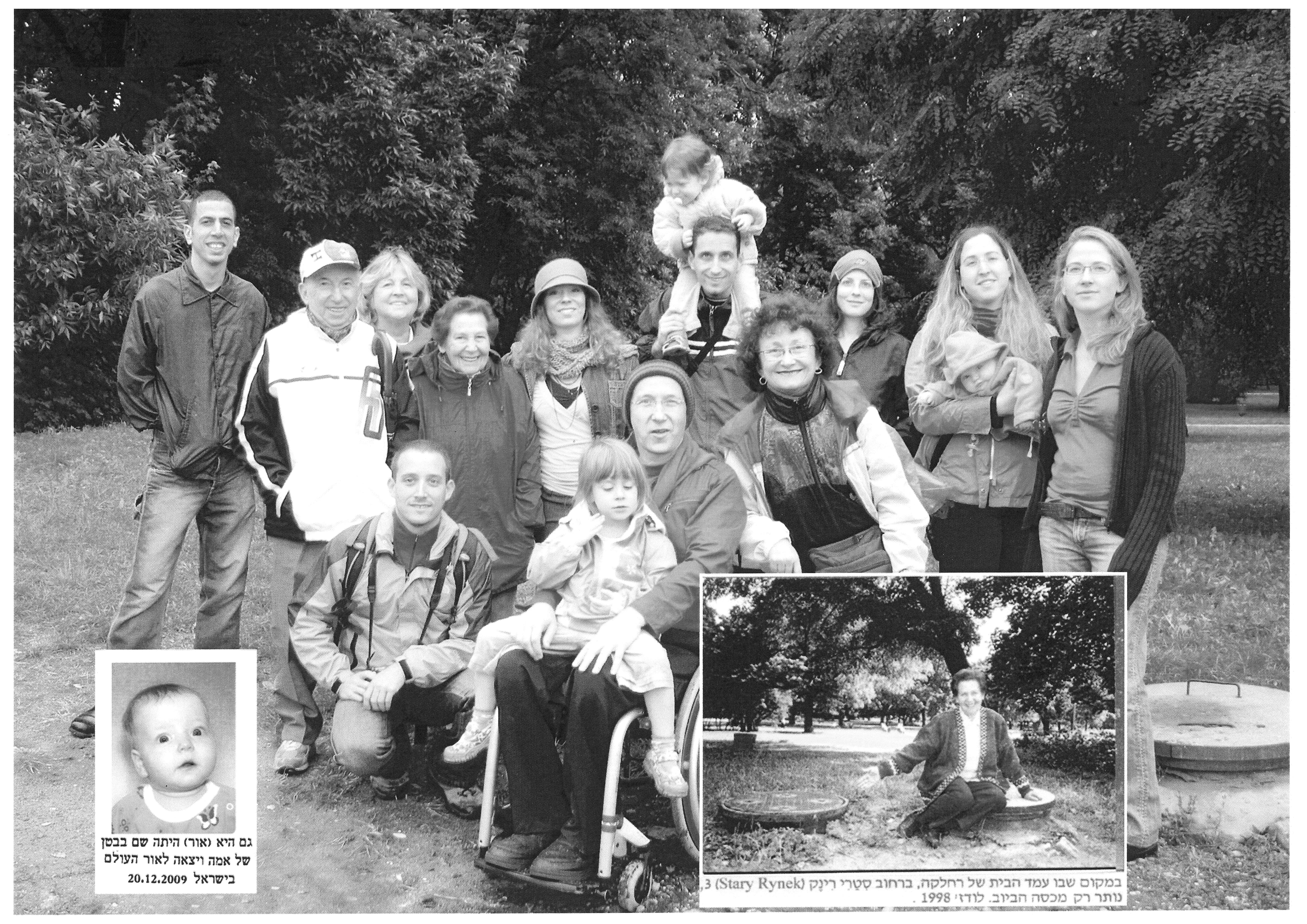
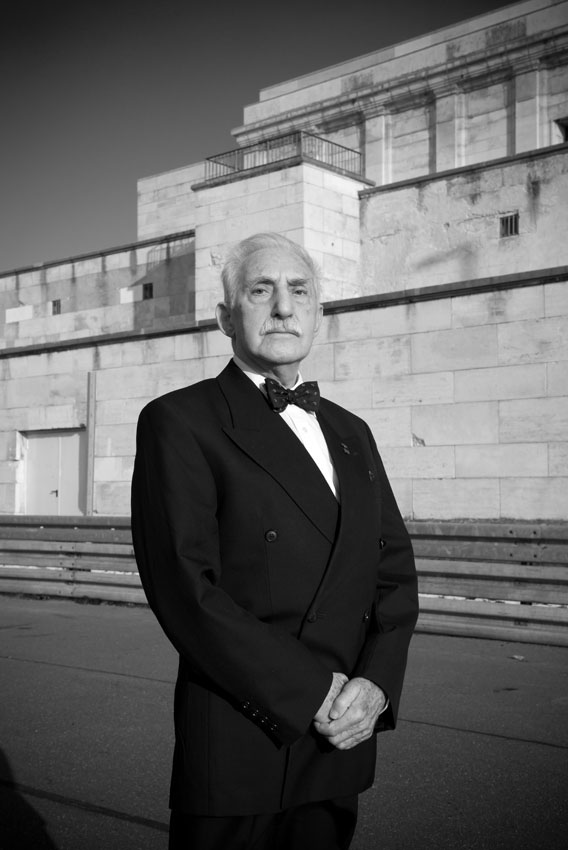
Today, many descendants visit Łódź. Many of them feel a connection to the city of their ancestors and are involved in various initiatives for the city.
Patrycja Dołowy
Bibliography:
Leszek Olejnik, Struktury życia społeczno-politycznego łódzkich Żydów w latach 1945–1950 [w:] Społeczność żydowska i niemiecka w Łodzi po 1945 roku (red. Lech A., Radziszewska K., Rykała A.), Łódź 2010, s. 139-162
Ewa Wiatr, Życie kulturalne Żydów w Łodzi w latach 1945–1950 [w:] Społeczność żydowska i niemiecka w Łodzi po 1945 roku (red. Lech A., Radziszewska K., Rykała A.), Łódź 2010, s. 163-194
Przemysław Stępień, Szkoły żydowskie w Łodzi (1945–1949) [w:] Społeczność żydowska i niemiecka w Łodzi po 1945 roku (red. Lech A., Radziszewska K., Rykała A.), Łódź 2010, s. 195-208
Andrzej Rykała, Łódź na mapie skupisk żydowskich Polski (po 1945 r.) [w:] Społeczność żydowska i niemiecka w Łodzi po 1945 roku (red. Lech A., Radziszewska K., Rykała A.), Łódź 2010, s. 268-332